
Every high-impact decision holds the power to shape lives, organizations, and even societies. We all have faced moments when the path is unclear and every option feels weighty. What we choose in those moments does not just affect numbers or results; it affects people, relationships, and the future we collectively create. That’s why pausing to reflect before acting is not a delay, but an act of responsibility.
We believe that true progress begins with asking the right questions. Here are the twelve we always return to before making any decision that holds real impact.
1. What are the real consequences for people?
The effects of our decisions ripple far beyond the obvious and often touch lives in unexpected ways. Before we act, it’s vital to consider the direct and indirect impact our choice could have on individuals—colleagues, clients, partners, families, and even distant communities. We find that mapping out potential scenarios helps us avoid creating harm while aiming for positive change. Slow down. Think it through. Who, exactly, will this change touch, and how?
2. Why does this decision matter right now?
Urgency can push us to act before thinking clearly. We always stop and ask ourselves about the timing:
Why now, and not later?
This question clarifies urgency versus importance. Sometimes, simply waiting or gathering more information is the wiser path. A rushed decision rarely leads to thoughtful outcomes.
3. What is driving us emotionally?
Behind most decisions, there’s a wave of emotion—hope, fear, frustration, excitement. We ask what’s stirring within us. Emotional clarity anchors decisions in maturity, not impulse. Honest team conversations can bring those motives out into the open.
4. Who benefits, and who may be harmed?
No decision is neutral. Someone’s life, work, or sense of security stands to shift. We write out who wins, who loses, and how we can adjust our approach to reduce harm and spread benefits more justly. This step is more than a checklist; it’s a commitment to fairness.
5. Are we living up to our stated values?
It’s easy to write values on walls. Living them under pressure is another story. We compare the possible actions with what we have promised others and ourselves. When they do not match, we ask how we can realign before moving forward.
6. How will this decision shape our reputation and trust?
Trust is built slowly, but decisions can erode or strengthen it instantly. We imagine explaining our choice publicly and hearing it discussed by those who count on us. If we would hesitate to share it openly, we reconsider. Would we want this choice to speak for us when we are not in the room?

7. What patterns from our past are repeating?
When facing a big decision, we look back. Are we reacting or repeating a habit? Patterns reveal themselves if we have courage to look. Recognizing old triggers helps us pause and avoid falling into the same traps or biases.
8. How will this contribute to long-term well-being?
Short-term gains tempt us all. But we always weigh immediate benefits against long-term welfare—for ourselves, our teams, and our stakeholders. The sustainability of our results matters as much as the results themselves. Reflecting on five or ten years down the road gives us perspective.
9. Do we have all the information we need?
Decisions falter when made on scraps of data or hearsay. We make sure to:
- Check facts from reliable sources
- Gather diverse perspectives
- Listen before concluding
Impatience is normal, but thoroughness saves us from regret. If something feels missing, we try to find it before deciding.
10. Where is the resistance coming from?
Every decision meets resistance somewhere—sometimes from others, sometimes from within ourselves. We listen to that resistance. What is it saying? Is it based on fear, wisdom, or practical risks? Addressing objections up front can surface blind spots and improve the decision’s outcome.
11. How will we take responsibility for the outcome?
There may be fallout, praise, or quiet acceptance. Are we ready to own all of it? We plan for follow-up, accountability, and, if needed, transparent course corrections. Knowing we will stand behind the result affects how we choose in the first place.
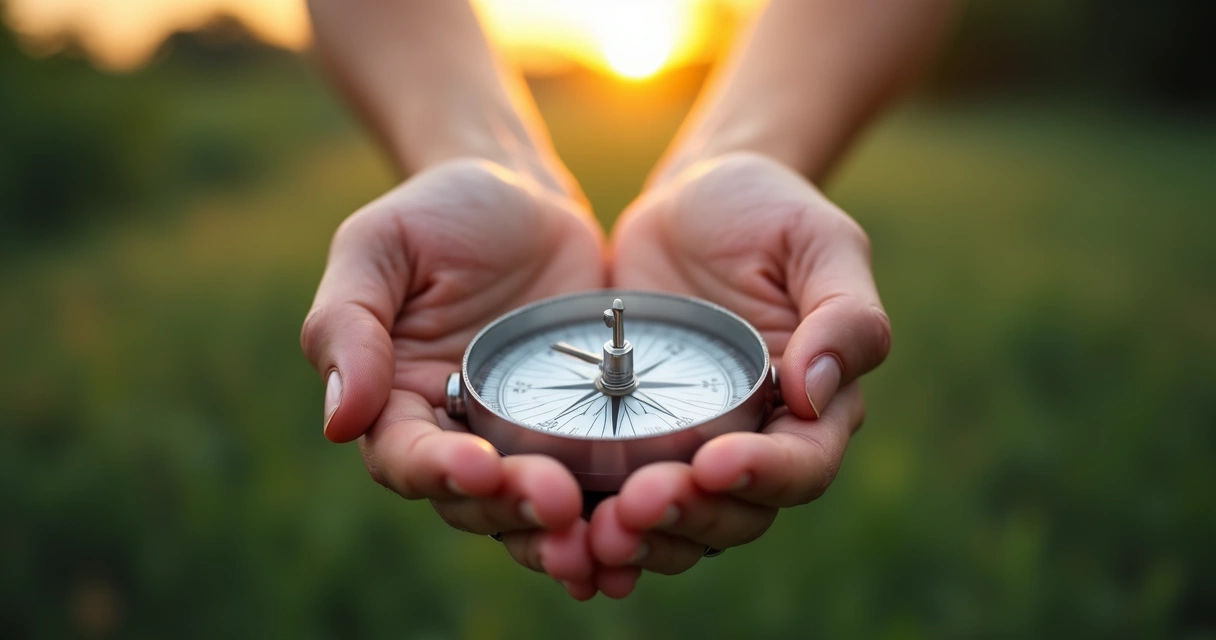
12. What legacy will this decision create?
Every choice leaves a mark. We ask what kind of story we want to tell afterward—not just to others, but to ourselves. Will we be proud of this step years from now? Will it move us closer to the kind of people, team, or world we hope to build? Sometimes all it takes is a moment of perspective to see what matters most.
Bringing it all together
These twelve questions are not a script or a rigid process, but a guide for thinking more deeply. By slowing down and asking them, we open space for wiser choices. Decisions then become more than solutions to problems—they become statements about who we are, what we value, and what future we wish to create. In our experience, the highest-impact decisions are those shaped not just by outcomes, but by awareness and care for people at every level.
Frequently asked questions
What is a high-impact decision?
A high-impact decision is a choice that has significant and lasting effects on people, organizations, or communities. These decisions go beyond daily tasks and can change lives, environments, and future opportunities in meaningful ways.
How to identify high-impact decisions?
We look at the potential reach and consequences—does the outcome go far beyond one person or one day? If a decision can change relationships, well-being, or the direction of a team or project, it is likely high-impact. Talking through possible scenarios also helps us spot moments when the stakes are greatest.
Is it worth it to delay a decision?
Sometimes, waiting leads to greater clarity, especially if we need more facts or emotional distance before acting. If a delay helps us make a choice that considers people and consequences more deeply, then it is often the right move.
What are the best questions to ask?
We always ask: Who will this affect? Does this align with our values? Are we acting from clear motives, and have we checked for missing information? These types of questions focus not just on what we do, but how and why we do it.
How can I avoid decision-making bias?
We recommend inviting diverse viewpoints, looking for patterns in our own thinking, and pausing when emotions run high. Tools like writing out pros and cons, checking facts, and sharing our reasoning with others often reveal hidden biases. Self-awareness and open feedback are two powerful ways to reduce bias in any decision.