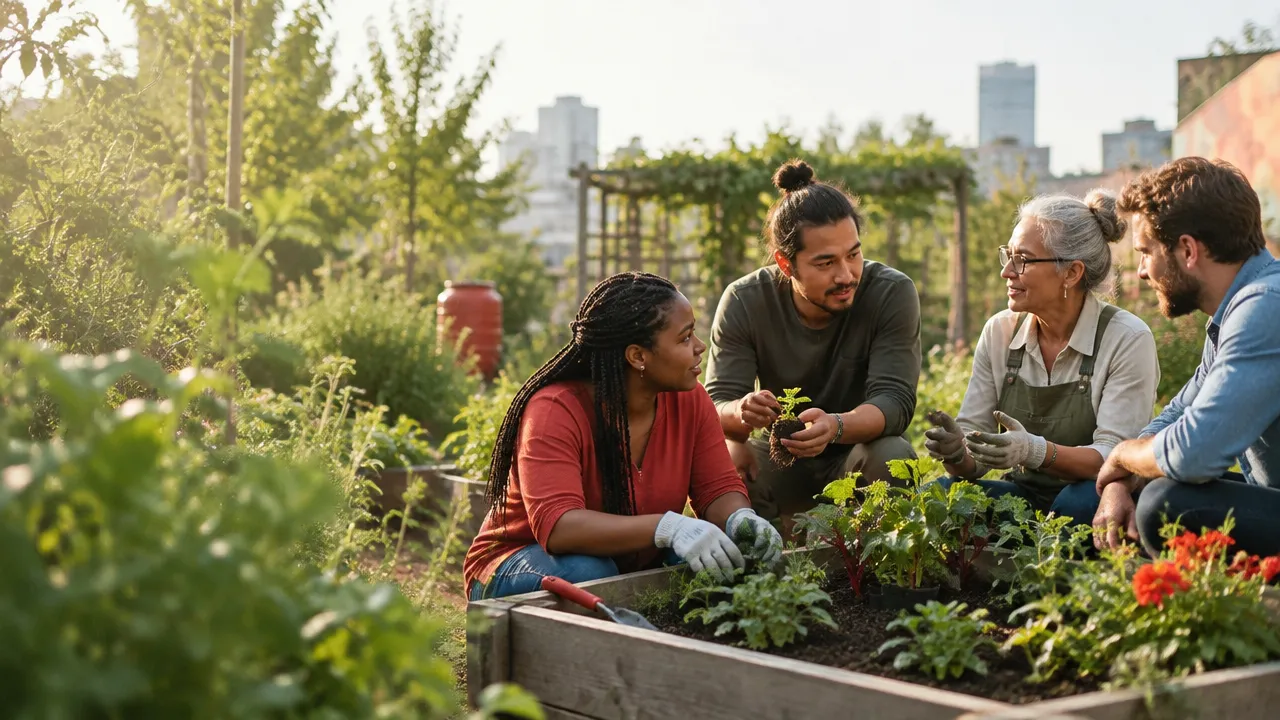
Community development is a resident-involved process for improving shared conditions, strengthening local relationships, and expanding people’s ability to shape their future. For neighbors, community organizations, and local leaders, the most durable work starts by listening to residents and measuring success by what improves in people’s lives, not just by how much gets built.
Key takeaways
- Start with residents’ priorities and existing community strengths, not assumptions about what is missing.
- Connect physical improvements, such as housing or public spaces, with social trust and access to opportunity.
- Give community-based organizations and residents meaningful roles in planning and accountability.
- Track who benefits, whose voice shapes decisions, and whether improvements last.
Community development works best when residents shape it
Community development is a long-term, collaborative effort to improve the conditions of a place and the well-being of the people who live there. It can include housing, education, health access, local business, public spaces, and civic participation, but a list of projects alone does not show whether a community is becoming stronger.
A useful starting point is to recognize local knowledge, skills, relationships, and institutions as assets. Residents are not simply recipients of services. They understand daily barriers, neighborhood history, and what would make change useful and fair. This human-centered view connects local progress to a broader understanding of value centered on people.
For example, renovating a vacant lot may improve a block, but the process matters too. Residents should help decide its purpose, influence how it is maintained, and have access to the benefits it creates. Without that involvement, a visible improvement can still leave people feeling excluded from decisions about their own neighborhood.
A community development plan turns priorities into shared action
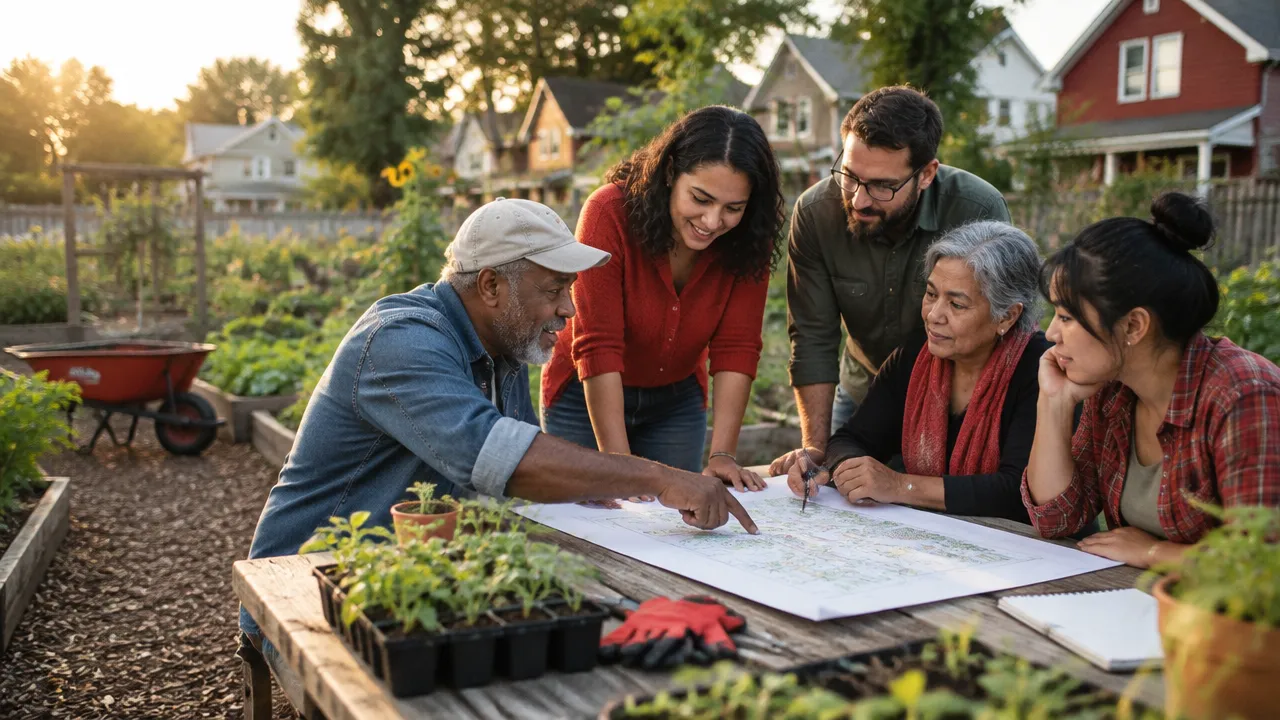
A community development plan is a practical roadmap that links resident-defined goals to actions, partners, resources, timelines, and measures of progress. It should be clear enough to guide decisions, but flexible enough to change as residents’ needs evolve.
- Listen and map assets: Gather input through conversations, accessible meetings, and outreach to people who are often missed. Record both concerns and existing strengths.
- Choose priorities together: Identify a small number of goals and explain how choices were made.
- Assign roles and resources: Name who will act, what support is needed, and when people can expect an update.
- Review progress publicly: Share what is complete, delayed, or changing, and invite residents to respond.
Local leaders and residents can coordinate improvements across housing and neighborhood services, as illustrated by HUD’s neighborhood revitalization approach. The lesson is not to copy a specific program, but to connect separate projects around goals people helped define.
Resilience grows through trust, connection, and shared capacity
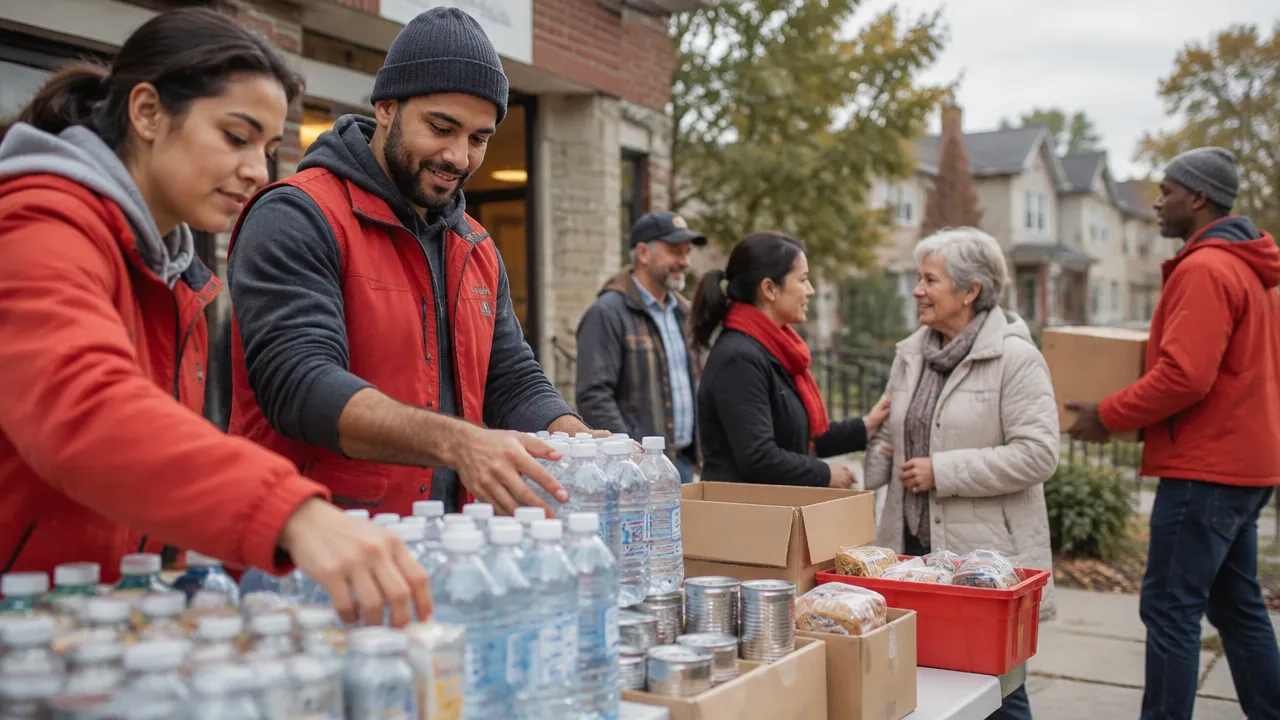
A resilient community is not one that avoids every shock. It is one where people can find support, share reliable information, and take part in decisions before, during, and after difficult events. That capacity depends on relationships as well as infrastructure.
In its 2024 report using 2023 data, AmeriCorps and the U.S. Census Bureau found that 28.3% of Americans formally volunteered and 54.3% informally helped neighbors. These figures show existing civic participation that communities can build on, while reminding planners that volunteering is only one part of resilience. The AmeriCorps civic engagement findings can help frame local conversations about participation.
Connection also matters to well-being. The U.S. Surgeon General’s social connection page reports that people with strong perceptions of community belonging are 2.6 times more likely to report good or excellent health than those with a low sense of belonging. This is an association, not proof that belonging alone causes better health, but it supports treating connection as a meaningful community outcome.
Measure whether change improves people’s lives
Good measurement combines visible outputs with evidence about human impact. A completed building or a number of events held can show activity, but not whether residents feel safer, have greater access, or influenced the decisions that affected them.
| Area | Possible indicator | What it helps reveal |
|---|---|---|
| Housing and place | Repairs completed, accessible public space, or resident-reported safety | Whether physical conditions are improving |
| Connection and access | Participation across resident groups, referrals completed, or reported belonging | Who can take part and reach support |
| Voice and accountability | Resident priorities reflected in decisions and public follow-up on commitments | Whether participation carries real influence |
Disaggregate results where appropriate, protect privacy, and ask residents how they define meaningful progress. Pairing numbers with interviews or listening sessions can reveal who benefits and where barriers remain. For longer-term evaluation, human-impact measures beyond short-term outputs help keep community outcomes in view.
Begin with one achievable, resident-led improvement
A neighborhood does not become connected through a slogan or a single grant. It grows through repeated experiences of being heard, contributing to a shared goal, and seeing follow-through. A small project, such as improving a gathering space or organizing a neighbor check-in network, can create a practical starting point.
Invite people with different ages, schedules, abilities, and experiences. Make participation accessible, explain how decisions will be made, and report back even when progress is slow. Avoid tokenism by giving residents influence over priorities and resources, not just asking them to endorse a plan after it is already set.
Community development creates lasting value when it improves both the place and the relationships that sustain it. The clearest measure of success is whether more people can live with dignity, shape local decisions, and rely on one another through change.
Frequently asked questions
What is a community development plan?
A community development plan is a shared roadmap for improving local conditions. It identifies residents’ priorities, available assets, actions, responsible partners, timelines, and ways to measure progress. A useful plan is created with residents, not simply presented to them, and is revisited as needs and circumstances change.
What is the role of community-based organizations?
Community-based organizations connect residents with one another, services, funding, and decision-makers. They can convene conversations, help translate community priorities into practical projects, and track whether commitments are met. Their role is strongest when they support resident leadership rather than speak for people without their involvement.
What falls under community development?
Community development can include housing, public spaces, safety, education, health access, local business, transportation, environmental conditions, and civic participation. The right focus depends on residents’ priorities and how these issues interact. A strong approach considers both visible improvements and the relationships and opportunities that help people benefit from them.
How do you turn a neighborhood into a community?
Build community through consistent, welcoming opportunities for neighbors to meet, solve a shared problem, and take part in decisions. Start with a small activity shaped by local interests, such as a garden workday or safety walk. Share responsibilities, make participation accessible, and follow up so people can see what changed.