Many organizations have dashboards for sales, cost, and output. Few have a clear board that shows what their choices do to people. That gap creates blind spots. We may hit targets and still damage trust, raise stress, or weaken inclusion without seeing it soon enough.
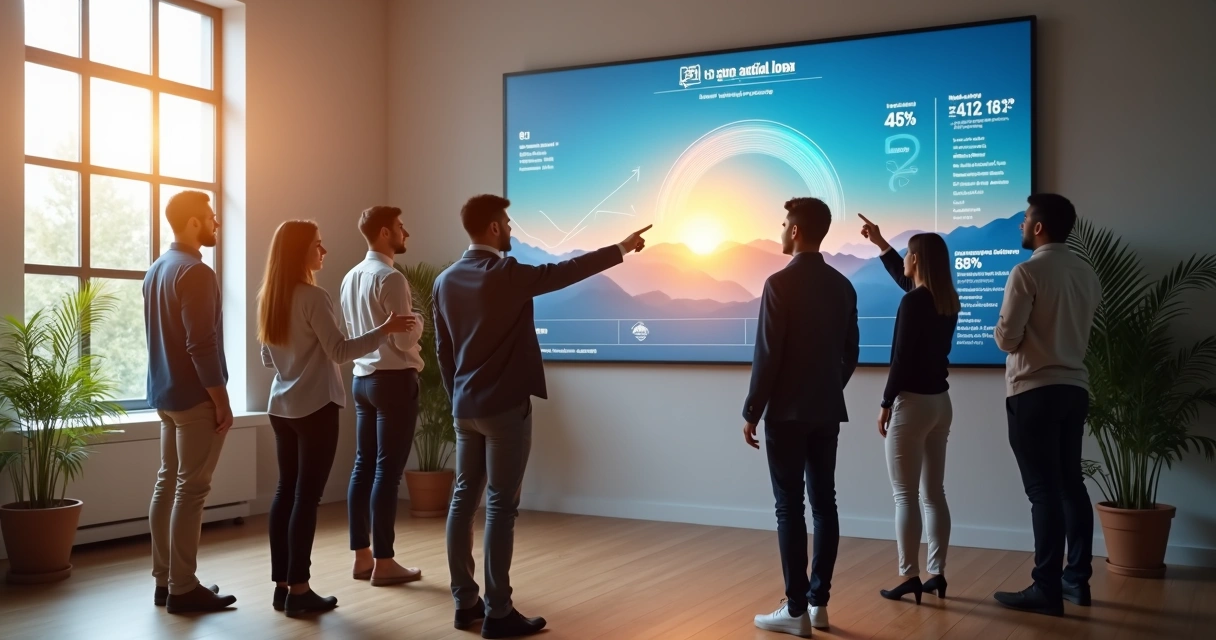
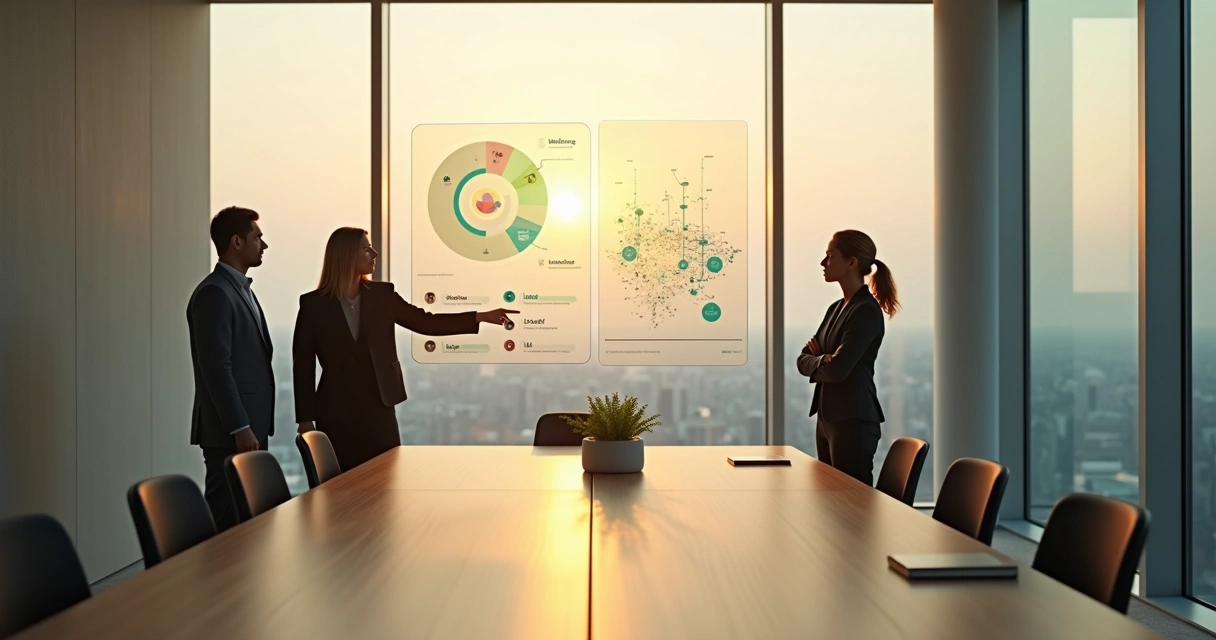
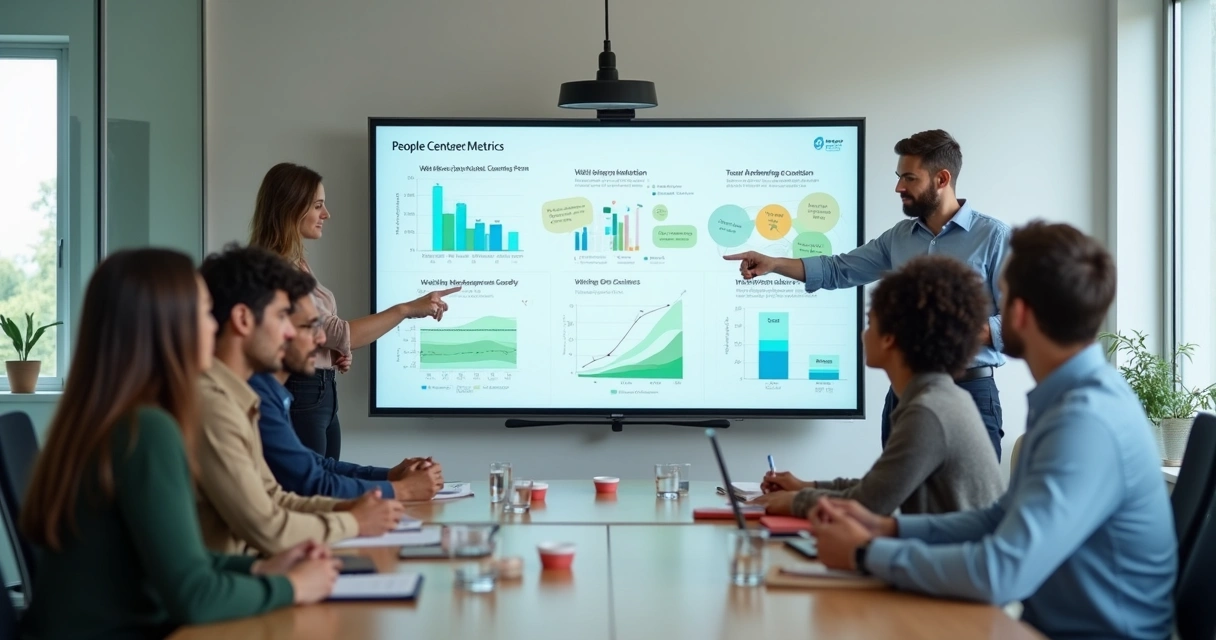
A human impact board is a visual system that tracks how decisions affect people inside and around the organization.
We think this kind of board changes the quality of guidance because it moves people from vague concern to visible evidence. It gives leaders a shared place to ask better questions. Not only, “Did we get results?” but also, “What did those results cost people?”
We have seen teams relax when this becomes normal. The room changes. Defensive language drops. Honest patterns appear.
What we measure shapes what we protect.
Why human impact boards matter
Organizations influence daily life in ways that numbers alone do not capture. A team can meet deadlines while carrying overload. A policy can lower expense while making work less fair. A manager can raise output while eroding psychological safety. If we do not track these effects, we end up managing only the visible half of reality.
That is why a human impact board should not be a soft side note. It should sit near strategic guidance. In our view, the board works best when it combines human data, lived feedback, and decision review in one place.
A useful reference for this comes from structured non-financial indicators for social performance, which outline measures such as employee well-being, inclusion, skills, and working conditions. We see these areas as a strong base for board design because they help organizations move from image to evidence.
What a good board includes
A human impact board should be simple enough to read fast and rich enough to guide action. If it turns into a wall of metrics, people stop using it. If it stays too abstract, it becomes decoration.
We suggest building the board around a few human dimensions that connect directly to organizational choices.
- Well-being and stress signals
- Inclusion and fairness in experience
- Learning, growth, and skill access
- Quality of leadership behavior
- Voice, trust, and psychological safety
- Community and stakeholder effects
Each area should include both numbers and lived input. For example, stress can be tracked through absence patterns, overtime, and pulse surveys. Trust can include retention, internal mobility, and short reflection prompts from teams.
The best human impact boards mix hard signals with human meaning.
How to build the board step by step
We like to start with a real question, not a template. One team may need to repair burnout. Another may need to understand why people do not speak up. Another may want to see whether growth is being shared fairly. The board should answer live tensions, not just report generic status.
Start with one guidance purpose
Define what the board is for in one sentence. It might be to guide leadership choices, monitor cultural risk, or review the human effects of change. This sentence acts like a filter. If a metric does not help that purpose, it likely does not belong.
Choose 5 to 7 core indicators
Keep the first version tight. Too many indicators create noise. We recommend selecting a mix that covers experience, behavior, and consequences.
- One or two indicators about well-being
- One or two about fairness and inclusion
- One about growth or access to learning
- One about trust or voice
- One about leadership conduct or decision quality
We have found that a smaller board gets read. A crowded board gets ignored.
Add narrative next to the metric
Every metric should have a short note beside it. What changed? Why might it have changed? What decision may have influenced it? This prevents shallow reading. A red trend line without context can trigger panic or denial. A short narrative invites mature interpretation.
Numbers show direction, but context shows responsibility.
Define thresholds and response rules
Before the first review, decide what counts as stable, watch, and act now. If trust scores drop for two cycles, what happens? If overtime rises with no rise in staffing, who reviews it? Boards only guide behavior when they trigger a known response.
Use a monthly rhythm
In our experience, monthly review is often enough to spot patterns without overwhelming teams. Weekly can become reactive. Quarterly is often too slow for human strain signals. The board should support thoughtful correction, not constant alarm.
Who should shape the board
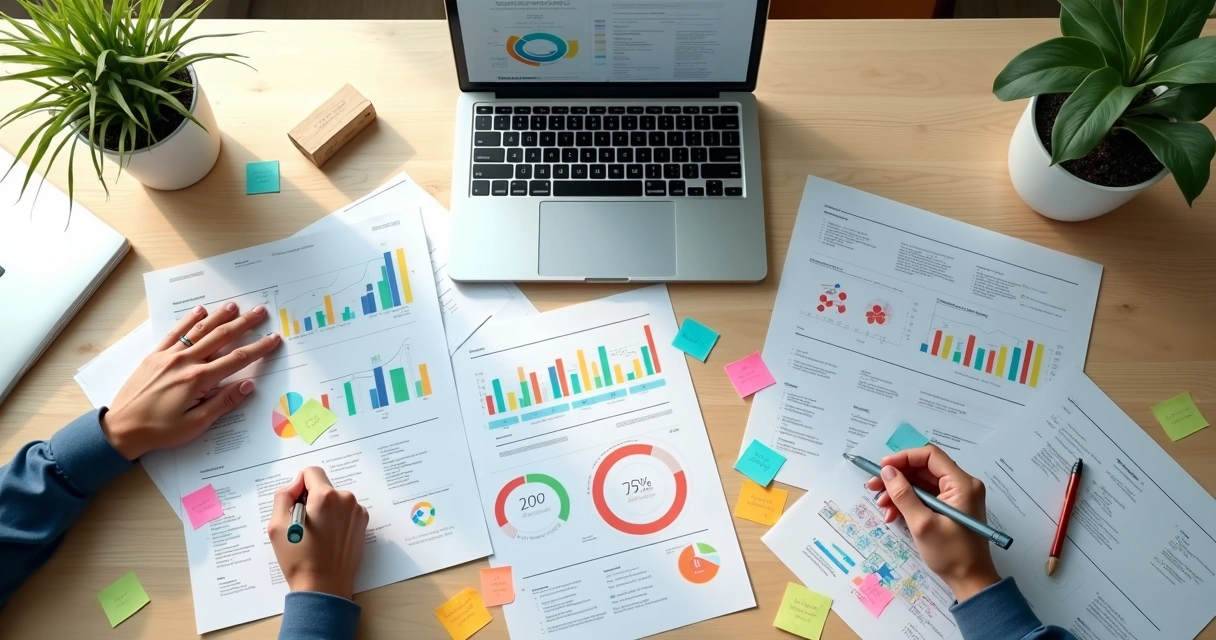
A human impact board should not be designed only by executives. When that happens, the board often reflects what power finds comfortable, not what people truly live.
We prefer a mixed group with different forms of visibility into the system.
- Senior leadership for direction and accountability
- People or culture leaders for workforce insight
- Operations leaders for process reality
- Team managers for day-to-day pattern reading
- Employee voices from different levels or functions
This mix matters. We once saw a board draft that looked polished, yet it missed workload transfer between departments. Frontline input exposed it in ten minutes. That small moment saved months of false confidence.
People closest to the strain can see what reports miss.
Common mistakes to avoid
Some boards fail not because the idea is weak, but because the design invites avoidance. We think there are a few traps worth naming early.
- Using only lagging indicators, such as turnover after harm is already deep
- Tracking sentiment without linking it to decisions or leaders
- Hiding hard topics behind average scores that blur inequality
- Changing indicators too often, which blocks learning over time
- Reviewing the board without assigning action owners
Another mistake is treating the board like a branding tool. It is not there to make the organization look caring. It is there to make guidance more honest.
How to keep the board alive
A board only works if people trust the process around it. That means clear definitions, consistent updates, and open review. It also means leaders must be willing to hear signals that are not flattering.
We suggest reviewing the board with three standing questions:
- What human pattern is changing?
- What decision may be shaping it?
- What will we adjust now?
This rhythm helps the board stay active. It also builds a new habit. People start linking choices to human effect before damage grows.
Conclusion
Human impact boards give organizations a better field of view. They help us see whether strategy, policy, and leadership are creating conditions where people can work with dignity, trust, and growth. That does not weaken performance. It gives it a sounder base.
If we want guidance that is wise, not just fast, we need a board that keeps human consequences visible. Small signals matter. Repeated patterns matter more. When we track them with care, we make room for decisions that leave people stronger, not depleted.
Frequently asked questions
What is a human impact board?
A human impact board is a dashboard or review system that shows how organizational decisions affect people. It usually tracks areas like well-being, inclusion, trust, learning, and working conditions. Its purpose is to support better guidance by making human effects visible and discussable.
How to create a human impact board?
We create one by starting with a clear purpose, then choosing a small set of indicators tied to people’s lived experience. After that, we add context notes, set response rules, assign owners, and review the board on a regular rhythm. The first version should be simple and directly linked to real decisions.
What are the benefits of using them?
They help leaders spot hidden strain, fairness gaps, declining trust, and weak work conditions before those problems grow. They also improve decision quality because people can connect strategy with human results, not only financial or operational outcomes.
Who should be on a human impact board?
The board should be shaped by a mixed group that includes senior leaders, people or culture teams, operations leaders, managers, and employee voices. This mix gives a fuller picture and lowers the chance of blind spots.
How often should the board meet?
In many cases, a monthly meeting works well. It gives enough time for trends to appear while still allowing timely action. Some organizations may add lighter check-ins between meetings if they are going through rapid change.