
Environmental justice means that no community should be forced to carry an unfair share of pollution or excluded from decisions that shape its health and future. It is a practical test of whether institutions value people as much as production, property, and revenue. For residents, organizations, and public leaders, the key question is not only what a project produces, but who pays its human cost.
Key insights
- Pollution burdens include more than exposure: they can also consume time, restrict choices, and weaken trust.
- Fairness depends on both outcomes and decision-making power.
- Communities often experience several environmental pressures at once, so single-pollutant snapshots can miss the larger picture.
- Meaningful progress requires listening, reducing harm, and checking whether conditions improve for the people most affected.
Environmental fairness is about who bears the cost
Environmental justice examines how environmental benefits and burdens are distributed, whose voices influence decisions, and whether the people affected receive recognition and protection. Clean air, safe water, shade, parks, and reliable infrastructure are benefits. Pollution, noise, unsafe work, and long waits for remediation are burdens.
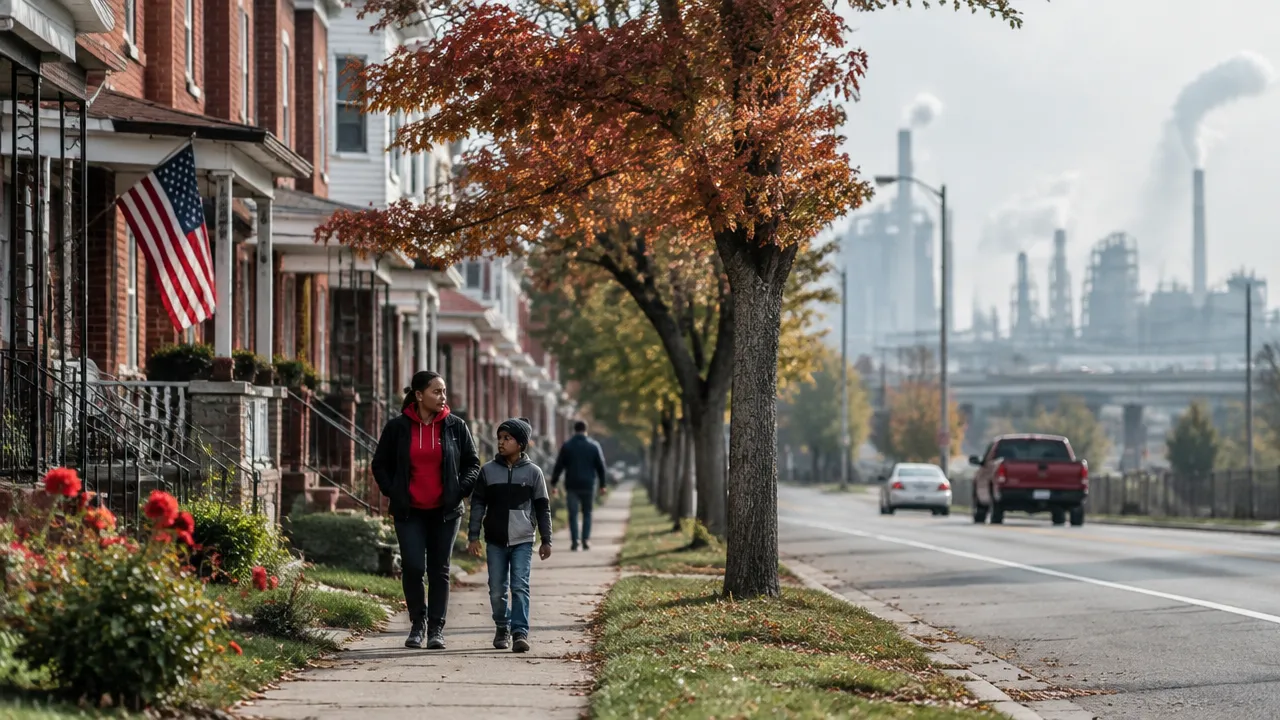
The human cost is often cumulative. A household may contend with traffic emissions, industrial activity, poor housing conditions, and limited access to healthcare at the same time. Looking at one source in isolation can obscure how multiple pressures shape daily life.
The CDC and ATSDR Environmental Justice Index offers a way to examine environmental and social conditions together. That kind of combined view reflects a broader lesson: a single measurement rarely tells decision-makers whether a community is thriving or simply absorbing impacts.
Pollution creates costs beyond illness
Pollution can affect human well-being through direct exposure, but its costs also reach into family routines, work, education, and community life. Residents may spend time seeking information, attending hearings, avoiding outdoor spaces, or pursuing answers about recurring concerns. These burdens are easy to overlook when an assessment counts emissions but not people’s lost time and agency.
| Environmental burden | Possible human cost | Useful question |
|---|---|---|
| Traffic and industrial emissions | Health concerns and reduced comfort outdoors | Who lives, learns, or works closest to the source? |
| Unsafe or unreliable water | Extra expense, uncertainty, and time spent finding alternatives | Who has dependable access to clear information and safe water? |
| Noise, heat, or limited green space | Less rest, recreation, and relief from stressful conditions | Which neighborhoods lack protective resources? |
These examples are prompts for investigation, not proof that a particular exposure caused a specific health outcome. Responsible decisions pair environmental monitoring with community knowledge and appropriate health expertise. A human impact assessment can help organizations ask who benefits, who faces risk, and what should change before a project moves forward.
Three lenses reveal different kinds of unfairness
Distribution, procedure, and recognition are three useful lenses for understanding environmental injustice. They are complementary: fairer outcomes are harder to achieve when people are shut out of the process or when their circumstances are misunderstood.
- Distributive justice asks whether environmental benefits and harms are shared fairly.
- Procedural justice asks whether residents can access information, participate, and influence decisions.
- Recognition justice asks whether decision-makers respect local history, language, knowledge, and specific needs.
A public meeting does not automatically create meaningful participation. If materials are difficult to understand, the meeting happens at an inaccessible time, or residents see no response to their input, participation may be procedural in name only. Organizations can use signs of tokenistic engagement to check whether consultation genuinely shares influence or merely signals inclusion.
Meaningful participation changes the decision
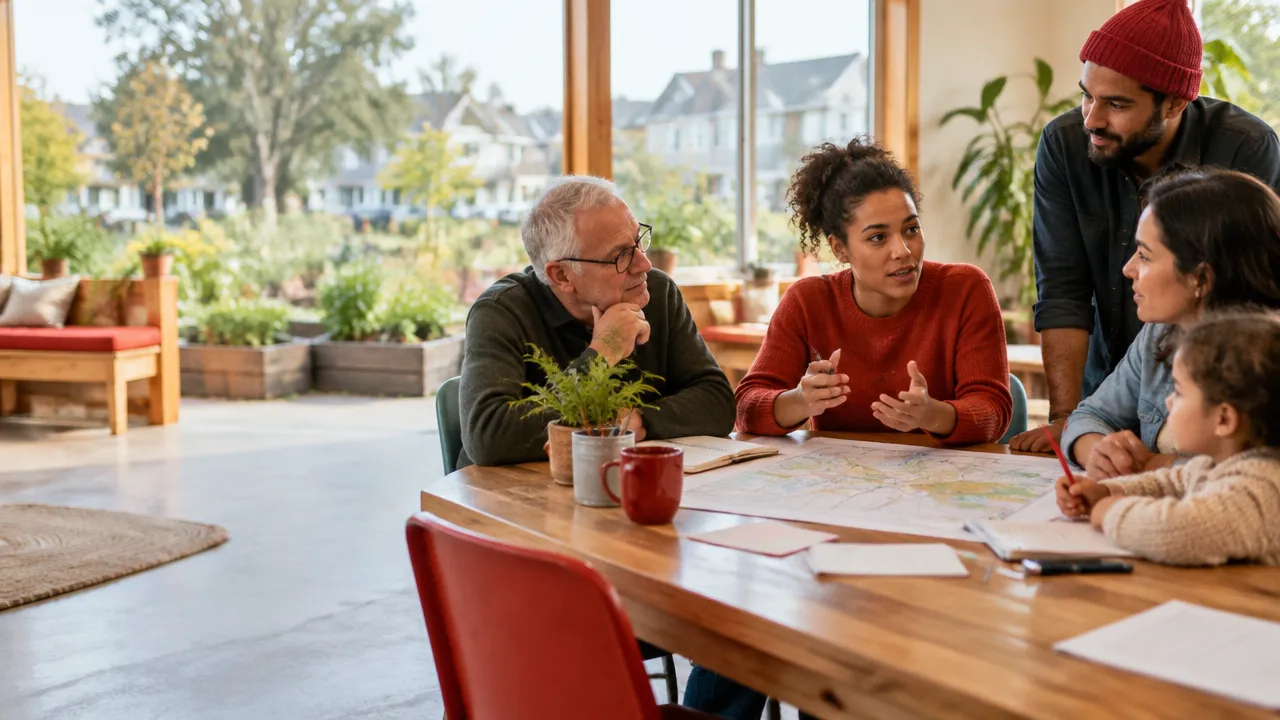
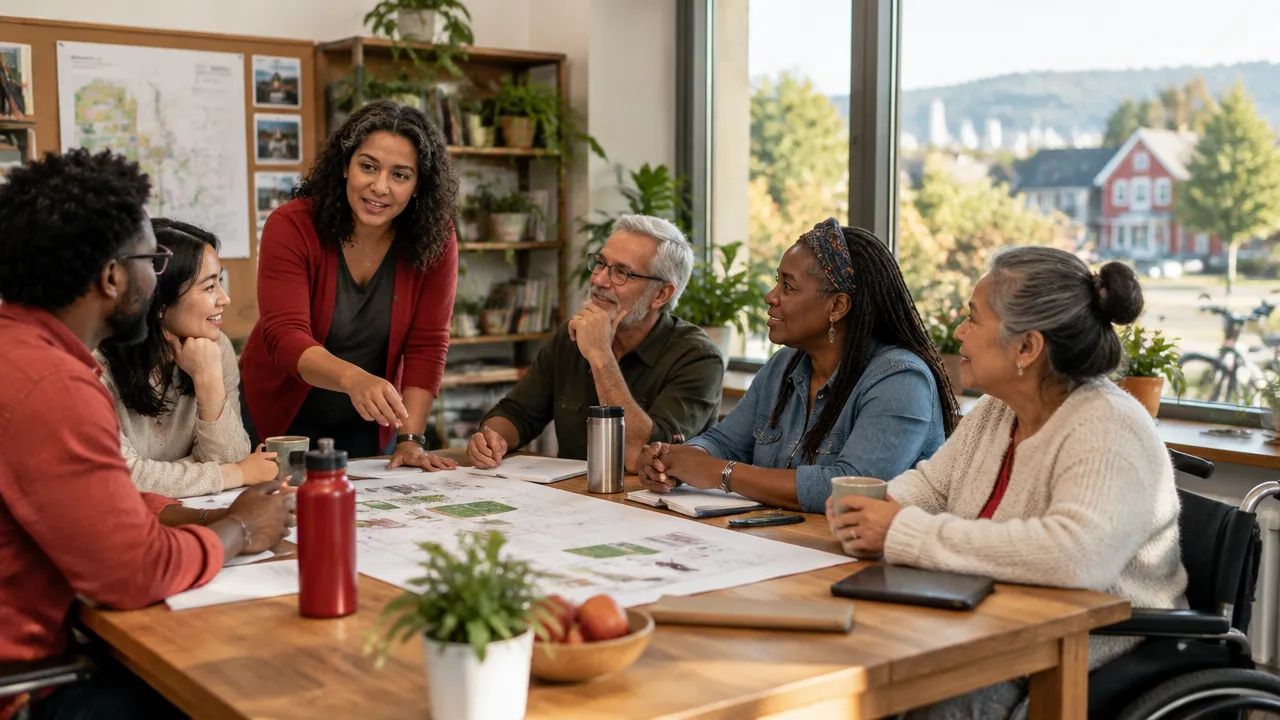
Environmental decisions are more trustworthy when residents help define the problem before solutions are selected. Their observations can reveal patterns that a short assessment may miss, such as when odors occur, which routes children use, or why a proposed relocation would disrupt caregiving and work.
Consider a hypothetical neighborhood reviewing a proposed freight route. A weak process presents a finished plan and asks for comments. A stronger process shares understandable options early, makes translation and access arrangements, records residents’ concerns, and explains which changes followed from that input.
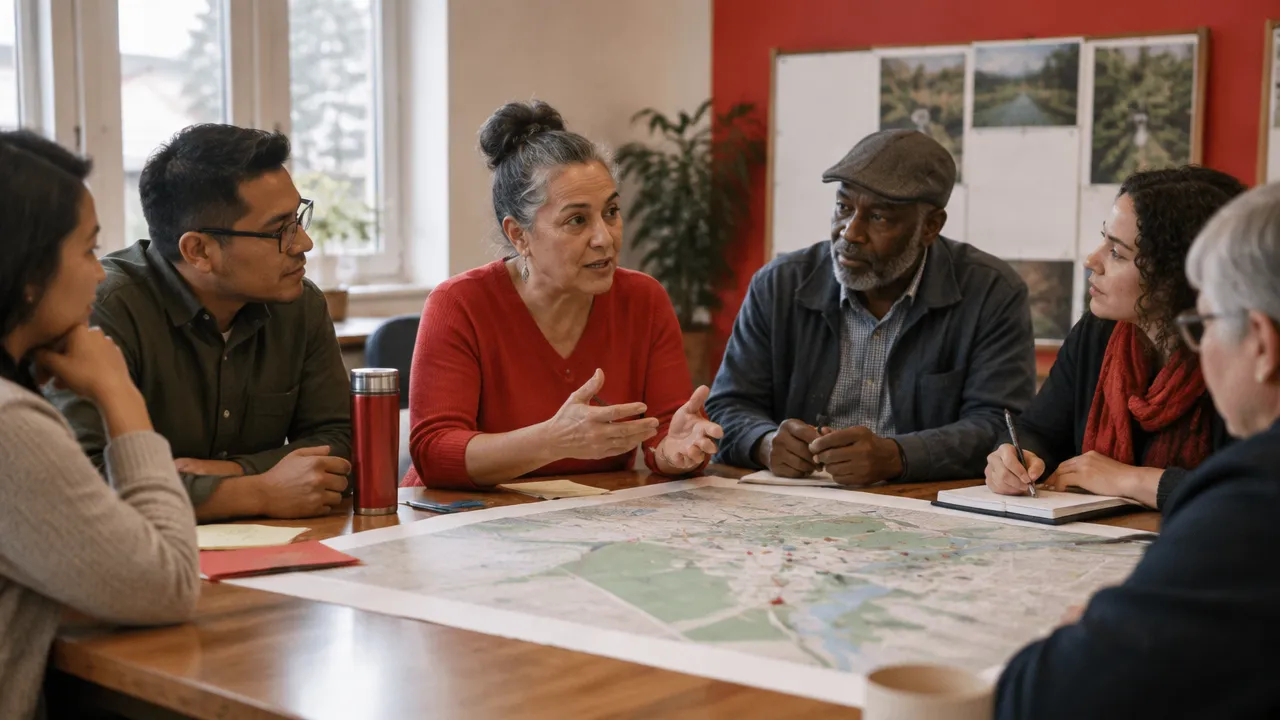
Participation should be judged by whether people can shape outcomes, not by the number of meetings held. Guidance on collective decision-making can help leaders create clearer roles, shared deliberation, and visible follow-through.
Climate risks can compound existing burdens
Climate justice connects with environmental justice because heat, flooding, and infrastructure disruption can intensify pressures that communities already face. A neighborhood with limited shade, aging housing, or pollution sources may have fewer ways to prepare and recover. Climate planning is therefore incomplete if it counts hazards but ignores unequal capacity to respond.
Public agencies and organizations can improve plans by identifying overlapping risks, asking residents what protection would be useful, and tracking whether investments reach the communities facing the greatest barriers. The goal is not to treat every place as identical. It is to provide protection in ways that match people’s lived conditions.
How institutions can reduce environmental injustice
Reducing injustice requires sustained accountability, not one-time outreach. Communities, employers, funders, and public agencies each have different powers, but all can make decisions more transparent and responsive.
- Share environmental information in clear language and accessible formats.
- Invite affected residents to help define questions and compare options early.
- Assess combined burdens instead of evaluating each project in isolation.
- Set public commitments, name who is responsible, and report progress.
- Revisit decisions when monitoring or residents’ experience shows that harm continues.
Leaders should measure success by what improves in people’s lives, not only by permits issued or money spent. This means tracking whether exposure declines, access improves, commitments are kept, and residents can see how their input mattered. Environmental justice becomes credible when those who once carried hidden costs can recognize a real change.
Frequently asked questions
What is an example of environmental injustice?
A clear example is a neighborhood where residents face truck traffic, industrial emissions, and limited access to parks while having little influence over permits or cleanup plans. The injustice is not only the pollution itself. It also includes whose health bears the risk and whose knowledge counts when decisions are made.
What are the three types of environmental justice?
Three commonly used lenses are distributive justice, procedural justice, and recognition justice. Distribution asks who receives environmental benefits and burdens. Procedure asks who can participate meaningfully in decisions. Recognition asks whether institutions understand the history, needs, and knowledge of affected communities. Together, they show why equal rules alone may not produce fair outcomes.
How can communities combat environmental injustice?
Communities can document concerns, request accessible public information, organize across neighborhoods, and participate early in hearings or planning. Institutions should provide translation, share understandable data, respond to resident proposals, and explain how decisions change. Public agencies can also assess cumulative burdens and monitor whether promised protections actually reduce harm over time.
How do humans impact the environment?
Human activity affects the environment through energy use, transportation, manufacturing, agriculture, waste, and land development. These activities can create pollution, alter habitats, and intensify climate risks. Their effects depend on how systems are designed and governed, and the resulting burdens may fall unevenly across workers and neighboring communities.
How is climate justice connected to environmental justice?
Climate justice recognizes that climate hazards and the resources to prepare for them are not distributed evenly. Extreme heat, flooding, and infrastructure disruption can compound existing pollution and housing burdens. A fair response therefore reduces emissions while protecting affected residents, involving them in adaptation plans, and directing support toward those facing greater risks.