
We have all felt that tense moment. The clock is moving fast, people want answers, and the pressure in the room starts to shape the decision before we do. In those moments, ethics can seem slow. It is not. It is what keeps speed from turning into harm.
Ethical decision-making under pressure means choosing a fast path that still protects people, trust, and long-term consequences.
In our experience, rushed choices rarely fail because people do not know right from wrong. They fail because stress narrows attention. We focus on the deadline, not the damage. We hear the loudest voice, not the quiet risk. That is why good ethical habits must be simple enough to use in real time.
A study on time pressure and ethical behavior found that when people knew pressure was coming, they saw a lower chance of acting unethically than when pressure arrived without warning. That finding from research on anticipated time pressure and unethical behavior tells us something practical. Surprise pressure is often more dangerous than heavy pressure.
Why deadlines distort judgment
When time is short, the mind looks for relief. We want closure. We want the task off our desk. We may tell ourselves that a small shortcut is harmless. Then another follows. Soon, a rushed choice becomes a pattern.
Pressure shrinks perspective.
We have seen this happen in ordinary settings. A manager skips one approval step. A team hides bad news until after a launch. A worker copies data without checking consent because the client is waiting. None of these acts begin with a grand plan to do wrong. They begin with compression. Less time. Less reflection. Less care.
That is why ethical skill under deadlines is not about being perfect. It is about having a method ready before stress hits.
Tip 1: Name the pressure early
The first tip is simple. Say out loud that the deadline is affecting the decision. This sounds small, but it changes the room. Once pressure is named, it stops acting like an invisible boss.
We suggest asking three short questions:
What is driving the rush?
What step are we tempted to skip?
Who could be harmed if we act too fast?
These questions create a pause without causing delay. They also make hidden tradeoffs visible. If the real problem is poor planning, we should not solve it by shifting risk onto other people.
When we name the pressure, we reduce its power to quietly justify bad choices.
In our view, this tip works best when used early, not at the last minute. If we expect a hard week, a tense client call, or a difficult approval, we should say so in advance. Anticipated pressure gives people a chance to prepare their standards before stress starts steering behavior.

Tip 2: Use a short ethical checklist
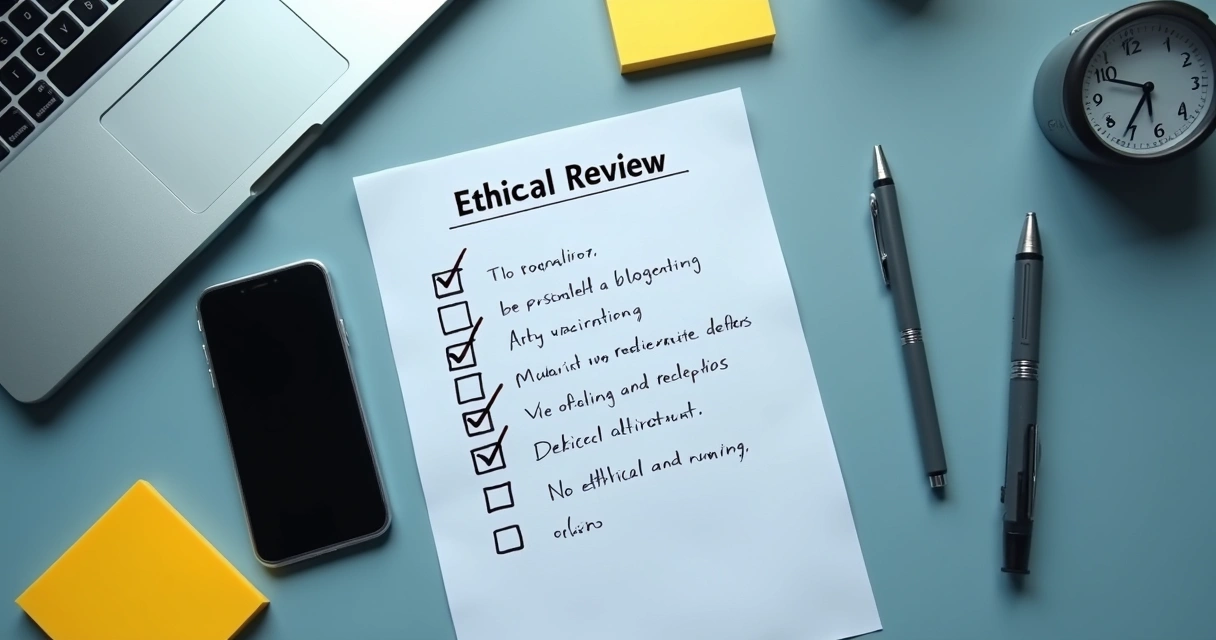
Under pressure, memory gets weaker and impulses get louder. That is why we should not depend only on instinct. A short checklist can hold the line when attention slips.
We like a five-point check:
Is it legal?
Is it honest?
Is it fair to those affected?
Would we stand by this choice if it became public?
Can we explain the reason without hiding part of the story?
This is not paperwork for its own sake. It is a fast filter. If a decision fails even one point, we should slow down enough to fix the problem or escalate it.
We once saw a team rush a customer notice because a launch window was closing. The message was technically correct, but it hid a known limitation in vague words. The team met the deadline. Trust still suffered. A checklist would have exposed the issue in under two minutes.
Tip 3: Put one person in the role of dissenter
Fast groups often become agreeable groups. Nobody wants to be the person who slows things down. Yet silence is not alignment. Sometimes it is fear, fatigue, or habit.
So we recommend assigning one person to ask the uncomfortable question. Not to block progress, but to test it. This role should rotate. When dissent is expected, it feels less personal and more useful.
That person can ask:
What are we assuming without proof?
Who is not in the room but will live with the outcome?
What would this look like from the outside?
A planned dissenter helps teams catch ethical blind spots before they turn into public problems.
We think this matters even more in groups with hierarchy. People often read urgency as a signal not to question authority. That is risky. A short challenge process protects both speed and judgment.
Tip 4: Regulate reaction before deciding
Some rushed choices are not really choices. They are reactions. Stress pushes the body first, and reason tries to catch up after. If we want better ethics under deadlines, we need a way to lower reactivity in the moment.
A 2026 study found that high stress weakens ethical decision processes, while nonreactive mindfulness can fully mediate that effect. The same report also noted that 41% of workers said they had observed ethical misconduct at work, and 60% of those cases involved people in managerial roles, according to research on stress, mindfulness, and ethical decision-making.
This does not mean we need a long ritual in the middle of a crisis. We just need a brief reset. In our practice, a ninety-second pause can help. Breathe. Read the facts again. Remove loaded words. Ask what is known and what is guessed.
Calm is a form of moral clarity.
Short pauses are often seen as weakness in urgent settings. We disagree. A calm mind can still act fast. It simply does not confuse speed with impulse.
Tip 5: Keep a record of why the choice was made
When a decision is made quickly, memory fills gaps later. People often rewrite the story to sound cleaner than it was. A short written note prevents that.
We recommend recording three things:
What decision was made
What risks were considered
Why this option was chosen at that moment
This record does more than protect accountability. It helps learning. Teams can review patterns, spot repeated pressure points, and improve future responses. If the same ethical tension appears every month, the real fix may be structural, not personal.
Good documentation turns a rushed moment into a chance to build better judgment next time.
Conclusion
Ethical decision-making under tight deadlines is not about slowing every action or seeking perfect certainty. It is about protecting human consequences when speed tempts us to narrow the frame. We can do that by naming pressure early, using a simple checklist, inviting one voice to challenge the group, calming reactive stress, and writing down the reason for the final choice.
We believe deadlines test more than planning. They test character in motion. The best fast decisions are not only quick. They are clean, honest, and safe for the people who must live with them after the clock stops.
Frequently asked questions
What is ethical decision-making?
Ethical decision-making is the process of choosing actions that are honest, fair, and mindful of how others may be affected. It goes beyond asking what is fastest or easiest. It asks what is right, what avoids harm, and what we can defend with a clear conscience.
How to make ethical choices fast?
We can make ethical choices fast by using a short method. Name the pressure, check who may be harmed, test the decision with a simple checklist, and pause briefly before reacting. Fast ethics works best when the process is prepared in advance and kept easy to repeat.
What are the top ethical decision tips?
The top tips are to name the deadline pressure early, use a five-point ethical checklist, assign one person to question assumptions, lower stress before acting, and keep a short written record of the decision. These steps help us stay clear-headed when time is short.
Why is ethics important under deadlines?
Ethics matters under deadlines because rushed decisions can cause harm that lasts longer than the time saved. Pressure can lead people to hide facts, skip safeguards, or ignore weaker voices. Ethical habits protect trust, reduce avoidable damage, and support better outcomes after the deadline passes.
How can I avoid mistakes under pressure?
We can avoid mistakes under pressure by not deciding in pure reaction. A brief pause, a simple checklist, and one honest question about consequences can change the quality of the outcome. It also helps to document the reason for the choice so we can review it later and improve our process.