
We have seen that genuine trust among colleagues can mean the difference between a team that simply gets by and one that truly thrives. Building trust is challenging in any group, but when teams are made up of people from different backgrounds, cultures, and beliefs, it takes special attention and intentional actions. We believe every diverse team is capable of deep trust when they create the conditions for it, step by step.
Why diverse teams struggle with trust
Anyone who has worked on a diverse team knows the richness this brings—more ideas, broader perspectives, and often, better results. But diversity can also bring differences in communication, expectations, and even values. When these differences are not addressed, misunderstandings can take root and erode trust before it can form.
Research from the University of Central Florida has shown that value diversity—differences in deeply held beliefs and priorities—can make it harder for team members to build mutual trust. When people feel their values aren’t respected or understood, they often pull back, withholding their best ideas and energy.
In our experience, trust rarely grows on its own. For diverse teams, trust must be cultivated with care.
Clear communication as foundation
We find that most trust issues can be traced back to unclear or inconsistent communication. People may use the same words but mean different things, or feel left out when not everyone is included in conversations. This is even more pronounced in virtual teams, where tone and intent are tough to read.
Clear words build safe bridges.
- Set shared norms for how and when to communicate. For example, agree on response times and which channels to use for urgent matters.
- Be explicit. When there’s a decision or a change, summarize the main point and check for understanding.
- Encourage everyone to share their thoughts, not just the most confident voices.
Recent studies in the Journal of Applied Psychology show that trust matters even more in virtual teams than in face-to-face ones. Better communication increases trust, which in turn directly impacts effectiveness.
Creating psychological safety
One of the most undervalued parts of trust is the feeling that making a mistake— or having a different opinion— won’t be used against us. That’s psychological safety. We think teams build trust naturally when people feel safe enough to speak up or even say “I was wrong.”
To create this environment, we suggest a few intentional steps:
- Leaders and team members admit mistakes openly and without blame.
- Give credit generously when someone shares a new idea or perspective, even if it’s not adopted.
- Handle conflicts respectfully and focus on resolving the problem, not attacking the person.
When one person takes the risk to be vulnerable, and it is received with respect, others will too.
Making time for personal connection
We are always surprised by how trust grows when people know each other outside of tasks and deadlines. Even small moments—sharing a coffee break or a story about a weekend—can make a big difference.
Schedule regular check-ins that are about people, not just work. Celebrate birthdays or share something positive from the week. These moments remind us that each team member is more than their title or role.

In multicultural teams, ask people if they want to share their traditions and holidays, so everyone learns and feels included.
Consistent actions and follow-through
Nothing builds trust faster than doing what we say we will do.
Promises kept are trust earned.
We believe trust is not made with grand gestures, but with everyday reliability. If someone says they’ll finish a task by Friday, and they do, we start to trust them more. When there’s a change, a quick update lets teammates know what to expect.
- Agree on clear deliverables with deadlines.
- Share progress—not just at the end, but in small steps.
- If there’s a problem, communicate early instead of waiting.
The more predictably we act, the safer others feel.
Welcoming and addressing differences
We notice that real trust comes when differences aren’t ignored, but openly acknowledged and respected.
Invite team members to talk about how they prefer to work or communicate. Recognize that not everyone feels comfortable with direct feedback or working late hours, for example. When a clash of values or customs arises, approach it with curiosity, not judgment.
Here’s a short process we recommend:
- Name the difference. “I’ve noticed we view deadlines differently.”
- Ask how the other person sees it.
- Find ways to blend approaches respectfully.
For teams that work together over time, investing in even a brief training on cultural awareness can open new doors for understanding.
Trust-building rituals and activities
Small, consistent rituals help teams build trust naturally. We find that quick activities can have lasting effects.
- Start meetings with a “good news” round: one positive from each person.
- Try “two truths and a lie” or other short games to spark conversation and laughter.
- Pair up team members for “coffee chats” to get to know someone new.
Collect feedback about which activities feel natural and fun for the group. The goal is not to force bonding, but to let it grow.
Dealing with broken trust
Even with best intentions, misunderstandings or disappointments sometimes happen. When trust is broken, we must acknowledge it, apologize if necessary, and invite dialogue.
We recommend three steps:
- State clearly what happened—without blame or accusations.
- Ask, “How can we make this right?” and listen to the response.
- Follow up, showing that their concerns were not only heard but acted upon.
It’s seldom comfortable, but the repair process often makes teams even stronger.
Conclusion
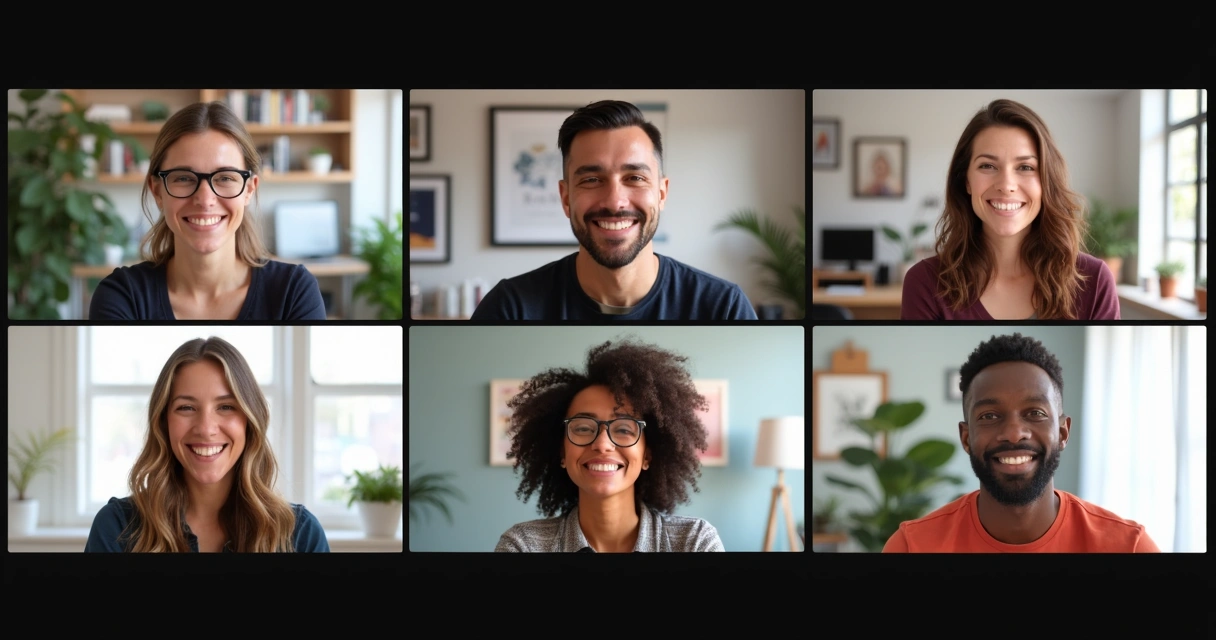
Trust is the foundation that lets diverse teams realize their full creative and human potential. We have found time and again that openness, consistency, and caring actions hold more power than any policy or document. When people feel seen, heard, and respected, trust grows. This is how diverse teams become not just effective, but truly united.
Frequently asked questions
What is trust building in diverse teams?
Trust building in diverse teams is the intentional process of creating a sense of psychological safety, reliability, and mutual respect among people from different backgrounds and perspectives. It means forming habits and practices so each member feels their ideas, identities, and contributions matter, and that they can count on the others to act fairly and consistently.
How can I build trust quickly?
While trust often takes time, it can be accelerated by being consistent, transparent, and showing genuine interest in others’ perspectives. Honor your commitments, communicate clearly, admit mistakes, and take the time to connect on both work and personal topics. Even a small effort to understand where a teammate is coming from can speed up trust.
Why is trust important in teams?
Trust matters because it enables open communication, creative risk-taking, and dependable collaboration. Teams with high trust share ideas more freely, solve problems together, and recover faster from setbacks. Lack of trust can lead to silence, conflict, or wasted effort. Studies show that teams with higher trust are more effective, especially when working remotely or across cultural differences.
What are simple trust building activities?
Simple activities for building trust include “good news” rounds at the start of meetings, pairing up for short check-in chats, sharing personal stories, and celebrating team achievements. Even a few minutes spent on these habits can spark better understanding and connection within a team.
How to handle trust issues in teams?
Handling trust issues starts with honest and respectful conversation. Acknowledge what happened, discuss how it impacted the team, and ask for feedback on how to move forward. Apologize where needed, and show commitment to improvement through consistent actions. The process can be tricky, but recovery is possible if everyone stays open and engaged.