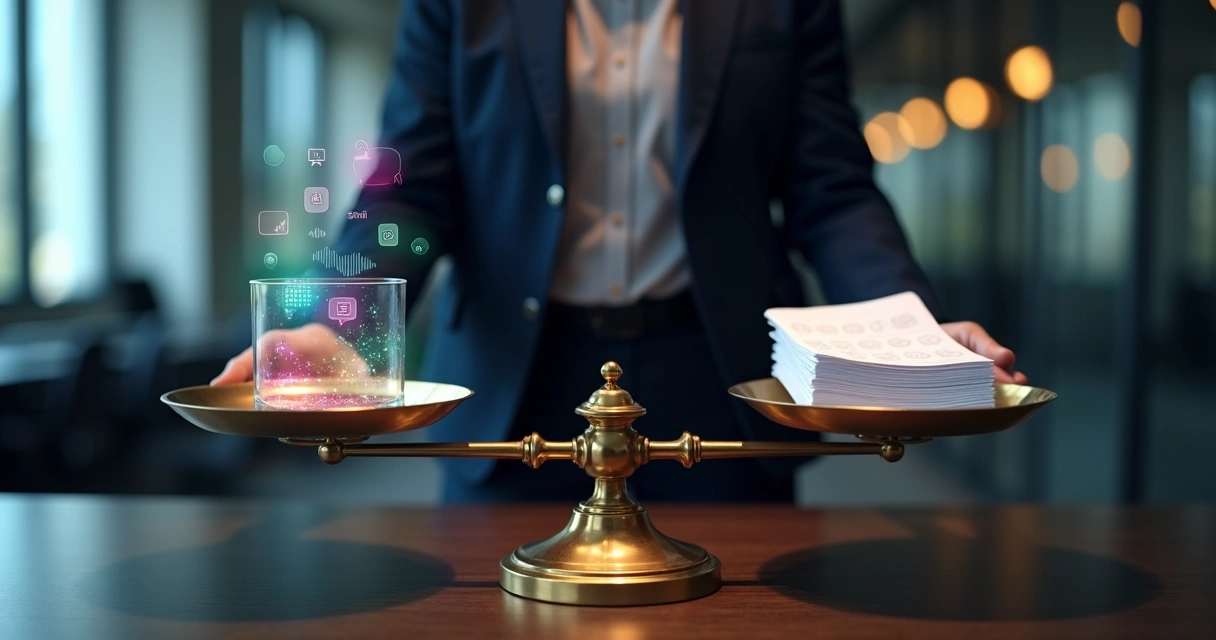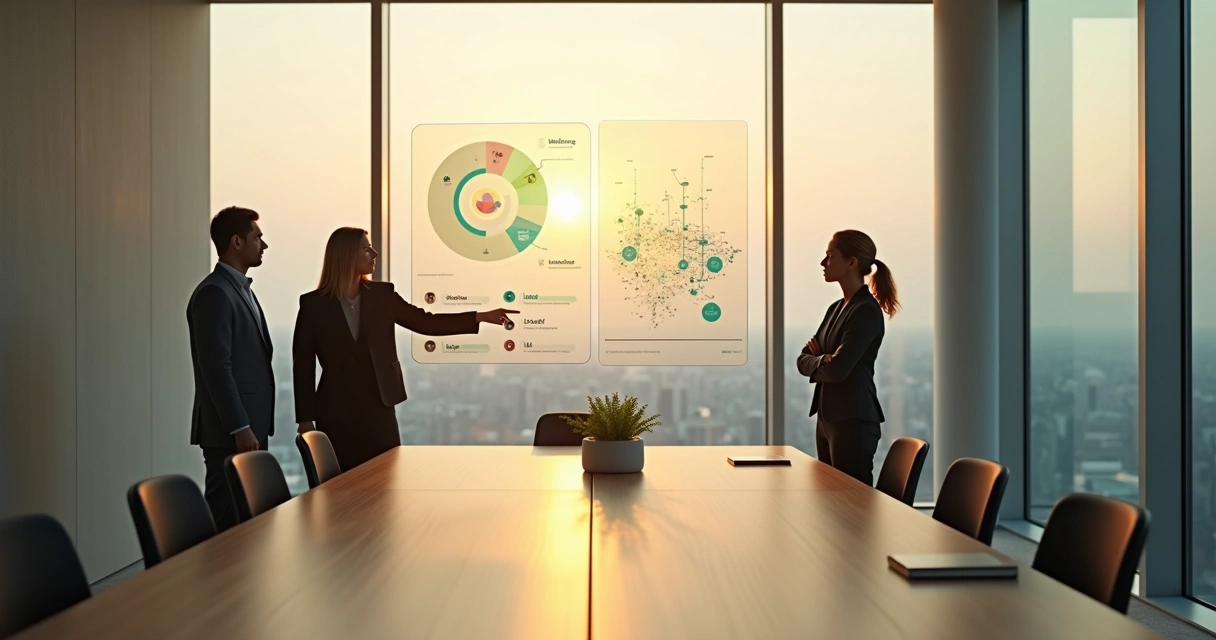

We all want to believe our company is fair and forward-thinking. Yet, beneath the surface, hidden forces can shape our decisions, our culture, and even the legacy we leave behind. Unconscious bias is not just a moral issue—it has real, measurable effects on the value our organizations create.Recognizing and addressing unconscious bias is not just a nice-to-have, but a business necessity in today's world. It shapes human impact, financial outcomes, and future opportunities.
What is unconscious bias and why does it matter?
Unconscious bias refers to the automatic, underlying attitudes and stereotypes that affect how we think, act, and decide, without conscious awareness. We all have them. They stem from cultural conditioning, personal experiences, and societal narratives. Sometimes, these biases help us make quick decisions. More often, they skew our perspective.
Bias often hides in plain sight.
When bias is left unchecked, it doesn’t just impact individuals or teams—it ripples through a company’s ability to attract talent, foster innovation, and sustain healthy performance. Unconscious bias can be costly, but if we learn how to spot it, we gain the power to reshape value.
The subtle signs of bias undermining workplace value
We have seen, through research and daily experiences, that bias rarely wears a label. It shapes environments subtly. Some of the most common signs include:
- Homogeneous teams, especially in leadership and key decision-making roles
- Recurring patterns where voices from certain backgrounds are consistently overlooked
- Evaluation systems that reward conformity, not originality
- Regular complaints or high turnover rates in specific groups
- Hiring, promotion, or layoff decisions that seem reasonable but yield the same demographic profile over time
According to the University of California, Irvine, implicit bias during recruitment and performance reviews produces not just unfair outcomes, but also missed opportunities. By hiring less qualified candidates or providing inaccurate assessments, organizations diminish their own human potential.

The impact of bias on leadership and financial perception
Bias doesn’t just influence internal culture. It shapes how the world views a company and how value is assigned at every level. Recent research from Georgia Tech uncovered that financial analysts consistently undervalue companies led by non-white CEOs. Notably, they react 57% more strongly to negative news from these companies. This is not only a problem for executives—it fundamentally affects how capital, trust, and opportunities are distributed.
Bias in perception can generate concrete financial loss, erode stakeholder trust, and perpetuate unequal structures within industries.
Studies from the University of Florida further demonstrate that managers exhibit both explicit and implicit biases toward marginalized groups, shaping everything from daily interactions to big-picture strategy.
How bias affects people and the bottom line
We have seen how even small, unnoticed acts of bias can snowball. It starts with missing out on a talented hire or failing to recognize an emerging leader. Over time, this leads to uniform thinking, reduced innovation, weaker engagement, and a lower sense of psychological safety for employees. The impact isn’t just theoretical.
- Fewer perspectives in the room leads to less creative solutions
- Inequitable opportunity discourages initiative and loyalty
- Negative public perceptions can result in lost business or stalled growth
- Internal friction leads to disengagement, stress, and higher healthcare costs
The ripples continue outward—these effects harm not just individuals, but also their families, communities, and our shared future. The legacy of hidden bias is disruption, not resilience.
How to spot bias in your company: A step-by-step approach
We believe spotting bias requires honest reflection, careful observation, and a willingness to look beyond the obvious. Even with the best intentions, it’s easy to miss our blind spots. Here are methods we find effective:
- Analyze company data objectively. Review hiring, promotion, and retention numbers, not just by skill but by background, gender, ethnicity, and other relevant factors. Look for patterns that repeat.
- Listen to the stories people share. Anonymous surveys and open forums reveal how individuals actually experience workplace culture. Do voices from all groups feel heard and respected?
- Examine decision-making processes. Pay attention to who participates, who influences, and whose ideas are considered. Is space created for different views, especially in high-stakes situations?
- Test your systems for built-in bias. Performance reviews, recruitment tools, and workflow processes sometimes carry assumptions—about background, education, appearance—that favor one group.
- Encourage honest feedback and external audits. Third-party perspectives can highlight areas even the most well-meaning teams overlook.
"Courage starts with seeing things as they are."
Making bias visible: Concrete examples and moments
Sometimes, the best way to spot bias is to pause when something feels “off.” We’ve witnessed the following scenarios trigger real change:
- A highly qualified candidate gets turned down for a “not a cultural fit” reason, with little evidence
- Project assignments follow unspoken rules on who “usually” leads or presents to executives
- Feedback to certain groups is less specific or less actionable
- Recognition and awards follow a familiar pattern, year after year
It’s in these everyday occurrences that unconscious bias reveals itself. When we ask, “How were these decisions truly made?” we often find subtle default patterns guiding the outcomes.
Taking active steps: What we can do about unconscious bias
Spotting bias is only the first step. Once we notice patterns, it’s time to act. Here’s what we recommend:
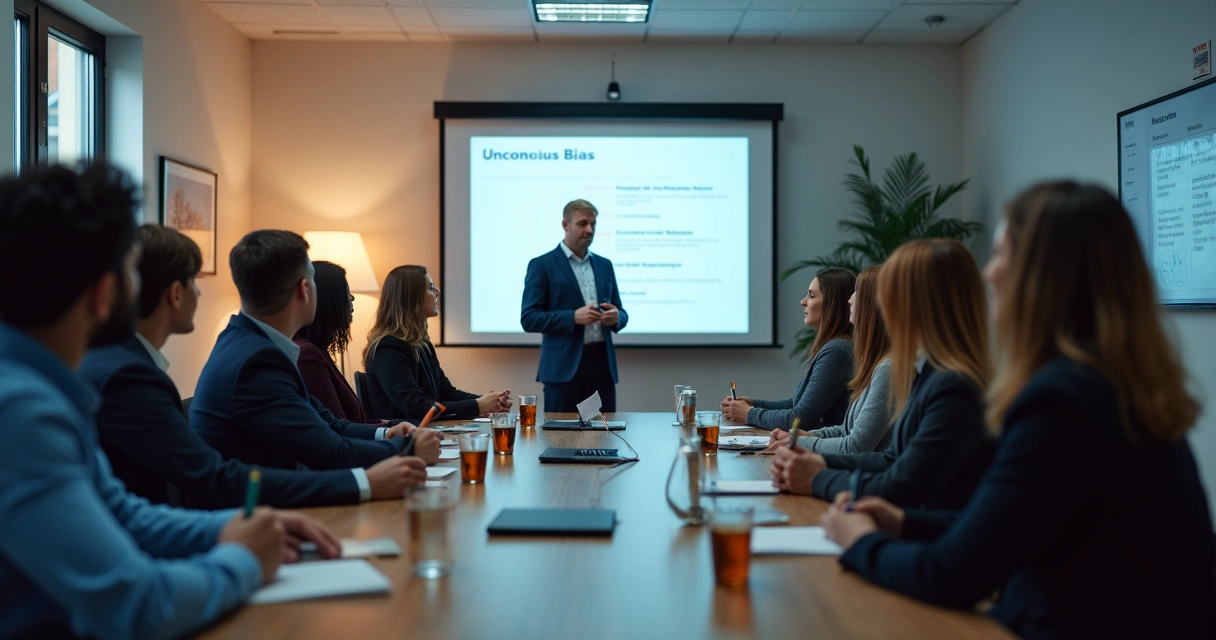
- Regular education and open discussions about bias, using real examples from inside and outside the company
- Transparency in metrics, making diversity and inclusion a core part of leadership evaluation
- Restructuring processes—such as blind resume reviews or clear, objective criteria for advancement
- Create channels for safe reporting and honest dialogue, so feedback flows from all levels
- Ongoing review and revision, recognizing that bias is never fully “solved”—commit to constant progress
When we look for bias, we are not searching for someone to blame. We’re searching for hidden barriers limiting our collective potential.
Conclusion: Moving toward conscious value
Every bias we uncover is a chance to build a stronger, more human-centered company. The ultimate value we create is not just in products or profit margins, but in the lives touched and the trust built over time. When we make unconscious bias visible, we take the first step in turning awareness into lasting value—and a legacy that truly matters.
Frequently asked questions
What is unconscious bias in business?
Unconscious bias in business refers to automatic, hidden preferences or stereotypes that influence workplace decisions and interactions without our awareness. It can affect everything from hiring to daily communications, often leading to unintended disparities or missed opportunities for growth.
How to identify bias in the workplace?
Spotting bias takes reflection and observation. We look for repeating patterns in promotions, assignments, or recognition, notice if some voices are consistently undervalued, and pay attention to the language used in feedback or evaluations. Regularly reviewing data and encouraging open, honest discussions can help surface hidden biases.
Why does bias reduce company value?
Bias affects company value by narrowing the pool of talent, reducing diverse perspectives, and stifling innovation. It can also hurt financial outcomes, as seen in studies from Georgia Tech, where biased perceptions led to undervaluation of leaders and weaker market trust. Over time, these issues affect both performance and reputation.
What are examples of unconscious bias?
Examples include giving extra weight to someone’s opinion based on their background, assuming a “cultural fit” during hiring with little evidence, offering vague feedback to certain employees, or making promotion decisions that favor familiar profiles over actual contribution. These patterns are often subtle but have a big impact when left unchecked.
How can companies reduce unconscious bias?
Companies can reduce unconscious bias by providing regular education, making decision-making processes transparent, and structuring systems to minimize subjective judgments. Blind resume reviews, clear advancement criteria, and open feedback channels all help. Commitment to constant learning and improvement is key.