
We often hear that supply chains need to be legal, traceable, and cost-aware. That is true. But it is not enough.
A conscious supply chain looks beyond rules and asks how each business choice affects people, communities, and the living world.
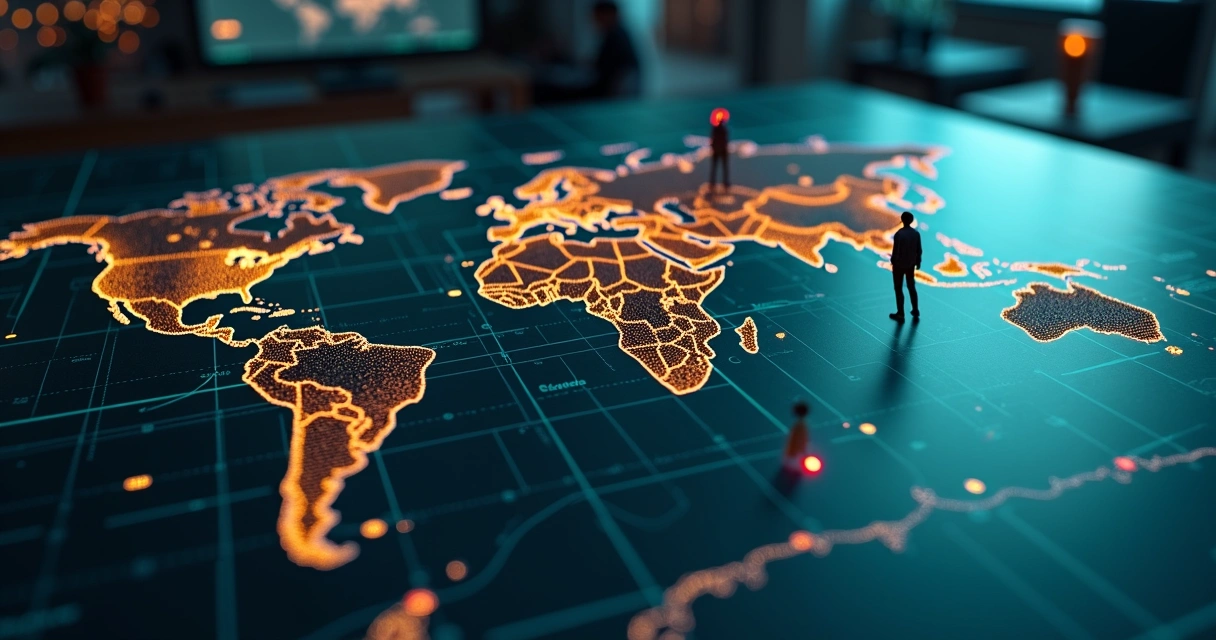
When we look at global business this way, a supply chain stops being a hidden back office function. It becomes a moral map. It shows what we reward, what we ignore, and what kind of future we are building through daily contracts, shipments, and sourcing decisions.
We have seen a pattern repeat itself. A company passes an audit, signs a policy, and publishes a report. On paper, everything looks clean. Then a labor issue appears deep in the supplier network. Or a raw material source creates damage far from the boardroom. The gap is not always bad intent. Sometimes it is distance. Sometimes it is weak data. Sometimes it is the habit of treating compliance as the finish line.
Compliance is the floor, not the ceiling.
Why compliance alone falls short
Compliance tells us whether minimum rules are being met. Conscious practice asks a wider question. Are we causing harm even when we stay within the law?
In many sectors, legal compliance still allows low wages, unsafe pressure, poor purchasing terms, and weak environmental care. A contract can be valid and still create silent damage. That is why businesses that want lasting trust need a deeper standard.
The blind spots are larger than many leaders think. Research from the World Resources Institute found that among nearly 1,000 corporate goals across about 700 large companies, only 12% included at least one goal focused on people in supply chains, and just 3% committed to improving working conditions or investing in worker skills. We find that number hard to ignore. It tells us that many targets still measure output better than human impact.
A conscious approach does not reject targets. It improves them. It adds worker wellbeing, supplier fairness, community effects, and long-term ecosystem care to the scorecard.
What makes a supply chain conscious?
A conscious supply chain is not defined by one badge or one report. It is shaped by how a company behaves when trade-offs appear.
Conscious sourcing means we do not separate business results from human and environmental consequences.
In our view, this kind of supply chain has a few clear traits:
- It traces more than first-tier suppliers.
- It listens to workers, not only to managers and auditors.
- It treats suppliers as partners in improvement, not only as risk points.
- It measures hidden impacts, including emissions, labor conditions, and pressure created by buying practices.
- It acts early, before scandal forces action.
That last point matters. Many firms still wait for disruption. But conscious systems are built in calmer times, when there is room to ask better questions and fix weak links without panic.
Data gaps hide real impact
One of the biggest problems is simple. Many companies still cannot fully see what their supply chains are doing.
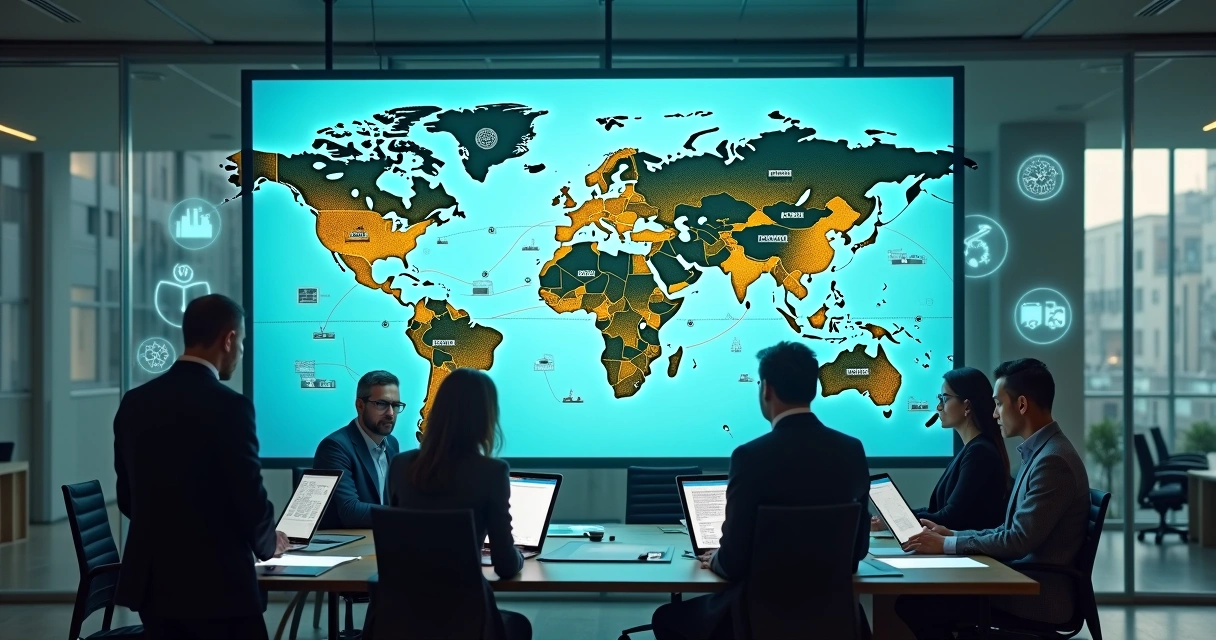
According to reporting from the MIT Center for Transportation and Logistics, 85% of firms are maintaining or increasing supply chain sustainability efforts, yet around 70% lack enough supplier-provided data to measure total greenhouse gas and climate impacts with confidence. We think this says a lot. The intent to improve is there, but the picture remains incomplete.
The same problem appears in emissions tracking. Research from MIT Sloan shows that while many organizations can measure Scope 1 and 2 emissions, far fewer can measure Scope 3 emissions, even though Scope 3 often accounts for more than 75% of total emissions. If most impact sits outside direct operations, then any narrow view will miss the truth.
This is where conscious supply chains become more honest. They admit uncertainty. They work to improve supplier data. They do not confuse partial measurement with full accountability.
We also need to track social impact with the same seriousness. Reporting from the World Benchmarking Alliance shows that only 10% of companies assess human rights risks in their supply chains and only 20% trace products to understand nature impacts. Those are not small blind spots. They are wide openings where harm can grow unseen.
From control to relationship
We think many supply chain problems start with a mindset of control. Buyers push price, speed, and volume. Suppliers absorb the strain. Workers and ecosystems absorb the rest.
A conscious model changes the relationship. Instead of asking only, “Did the supplier comply?” we ask harder things:
- Are our deadlines creating unsafe pressure?
- Are our payment terms hurting supplier stability?
- Do workers have a real channel to speak without fear?
- Are we rewarding honest reporting, even when the news is uncomfortable?
We once saw a procurement leader describe a late shipment as a supplier failure. After a closer look, the buyer had changed the order twice, reduced lead time, and resisted a fair price revision. That moment says a lot. Harm is not always found at the edge of the chain. Sometimes it starts at the center.
Buying practices shape human outcomes.
Practical steps that move beyond compliance
Going beyond compliance does not mean doing everything at once. It means setting a more mature direction and following it with discipline.
We suggest a sequence like this:
- Map the full chain as far as possible, including raw materials and subcontracting.
- Identify where risk to people and nature is highest, not only where media attention is highest.
- Set goals for wages, safety, worker voice, emissions, and traceability.
- Train procurement teams so sourcing decisions match those goals.
- Create supplier support plans, with time, tools, and fair expectations.
- Review progress often and publish what is still incomplete.
The shift begins when procurement, sustainability, finance, and leadership stop working as separate islands.
That kind of alignment is not glamorous. It involves contracts, incentives, data systems, and repeated conversations. Still, this is where trust is built. Quietly. Over time.
Why this matters for global business
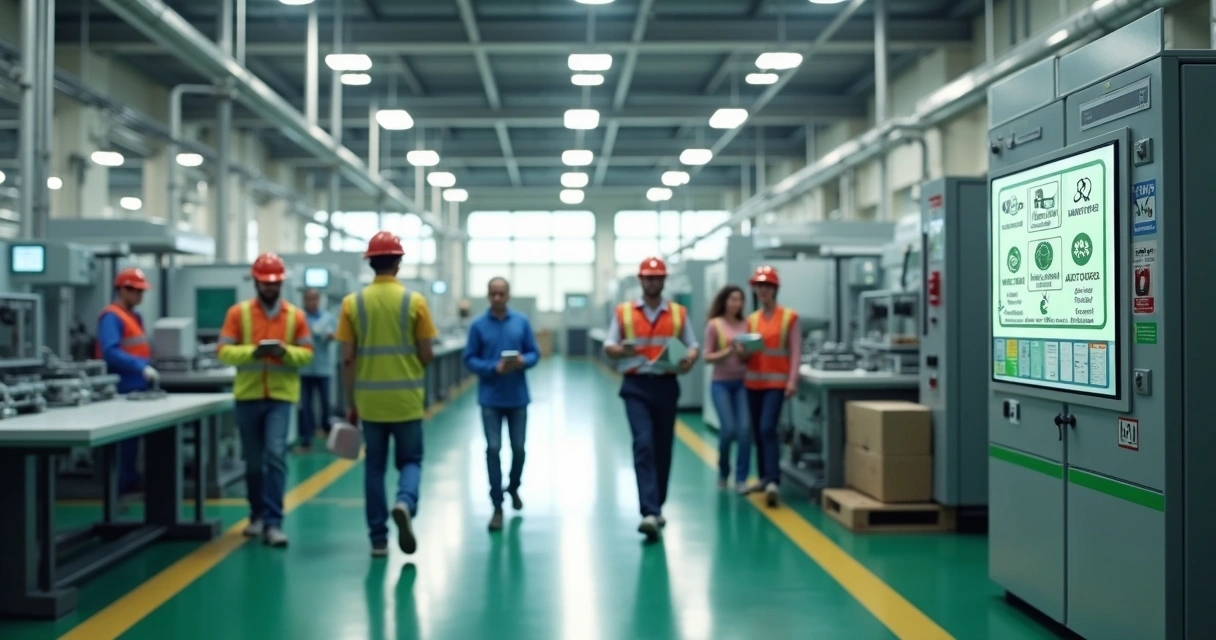
Global supply chains connect distant lives. A decision in one office can affect a farm, a factory, a river, or a family thousands of miles away. That is the reality. Once we accept it, the language of compliance starts to feel too narrow.
Conscious supply chains help businesses reduce disruption, build stronger supplier ties, improve data quality, and earn deeper trust. Yet we believe the strongest reason goes further. It is about the kind of value a business creates while it grows.
When a company lowers harm, supports fair conditions, and sees suppliers as part of a shared system, it creates value that lasts beyond the quarter. That value is harder to measure in one line. Still, people feel it. Workers feel it. Communities feel it. Future generations will feel it too.
Conclusion
We believe global business is entering a stage where legal compliance alone no longer satisfies workers, customers, investors, or society. The question is no longer whether a supply chain passes a test. The question is whether it reflects care, foresight, and responsibility in daily practice.
Conscious supply chains go beyond avoiding violations. They aim to reduce harm, strengthen dignity, and turn sourcing into a form of stewardship.
That is a harder path. It is also a more honest one.
Frequently asked questions
What is a conscious supply chain?
A conscious supply chain is a sourcing and logistics system that considers human rights, labor conditions, environmental effects, and supplier relationships alongside business goals. It goes beyond legal compliance and asks how each decision affects people and the wider system.
How to build a conscious supply chain?
We build it by mapping suppliers deeply, identifying risks, setting clear goals for people and environmental impact, improving traceability, training procurement teams, and supporting suppliers in real improvement. It also requires honest reporting and cross-team alignment inside the business.
Is conscious sourcing more expensive?
It can raise some short-term costs, such as better traceability, supplier support, or fairer purchasing terms. Still, it can also reduce hidden costs tied to disruption, reputational damage, weak data, and unstable supplier relationships. Over time, it often leads to stronger and more resilient operations.
What are the benefits of conscious supply chains?
The benefits include better risk awareness, stronger supplier trust, clearer visibility into emissions and labor conditions, lower chances of hidden harm, and more durable business credibility. It also helps companies align growth with human dignity and environmental care.
How can companies go beyond compliance?
Companies can go beyond compliance by measuring impacts that laws may not cover, listening to workers directly, tracing beyond first-tier suppliers, changing buying practices that create pressure, and setting targets for real improvements in wages, safety, emissions, and nature impact. The shift happens when responsibility becomes part of everyday decisions, not only audit season.