

Ethical procurement is no longer just a debate point at the boardroom table. We feel it in every conversation about supply chains, sustainability, and the real meaning of value-creation. Procurement can do much more than seek the lowest cost. It can elevate people, planet, and purpose.
In our experience, a purpose-driven approach to procurement means shifting from pure numbers to conscious impact. We ask: Who creates our components? What are their working conditions? How do our buying choices affect livelihoods, ecosystems, and futures?
Purpose-driven procurement is about aligning every purchase with what matters most.
Let’s walk through the six steps we find most effective for building ethical supply chains that make a positive difference, inside and out.
Step 1: Define values and set clear standards
Every ethical supply chain starts with clarity—knowing what we want to stand for and what we will not tolerate. This is more than posting a code of conduct on a website. It’s making our core values visible in how we buy and who we buy from.
- Identify our purpose: We pinpoint the values that guide our choices—human dignity, fairness, social responsibility, environmental stewardship.
- Write down supplier criteria: We draft supplier standards that reflect these values, setting out expectations on labor rights, safety, environmental care, and transparency.
- Get buy-in across the company: We involve leadership and procurement teams to co-own these standards, so they become part of everyday decisions.
In our experience, when values are unclear, compromises creep in. When values are explicit, accountability grows. This step is the foundation.
Step 2: Map the supply chain and assess risks
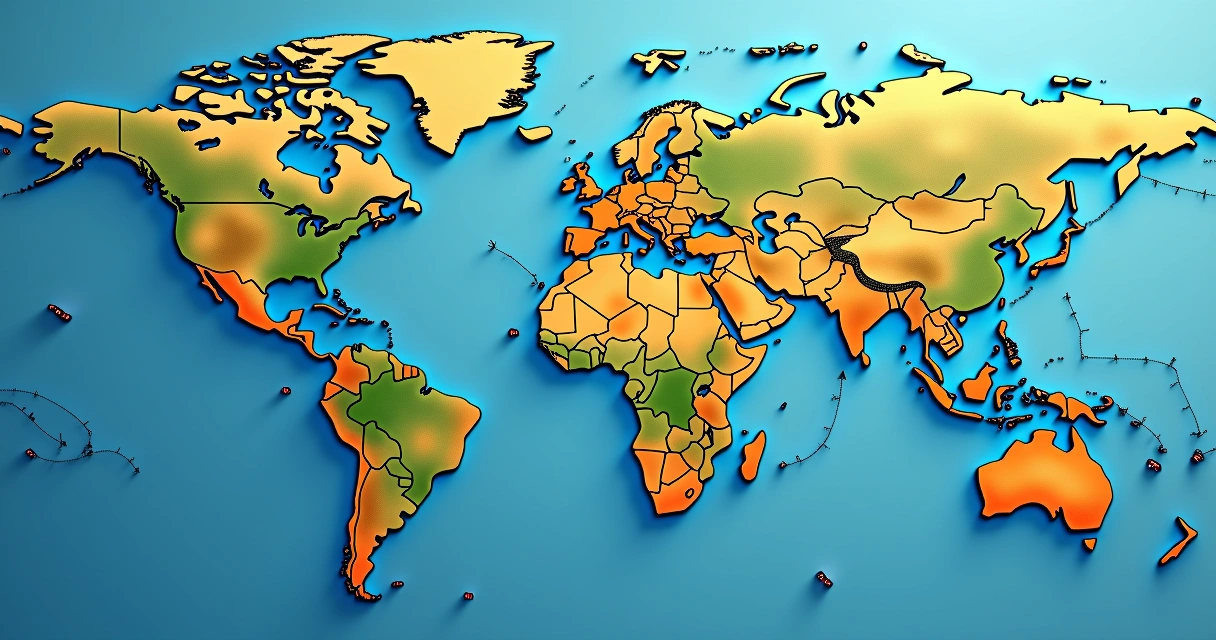
We can only manage what we can see. Mapping the layers of our supply chain means looking beyond the primary supplier to their suppliers, and sometimes further. This helps us spot hidden risks—be they child labor, unsafe practices, or ecosystem harm.
- Figure out who is in the chain: We gather supplier lists, from raw materials to finished goods.
- Classify risk areas: We identify geographies, industries, or processes that are at higher risk of unethical practices.
- Use data and dialogue: We combine site visits, audits, questionnaires, and open conversations for a fuller picture.
Mapping is not a one-off. We make it ongoing. As our supply chain evolves, so do the risks.
Step 3: Engage suppliers in open dialogue
Ethical procurement is not a checklist but a relationship. We don’t just tell suppliers what to do. We talk. We listen. We build trust. Some of the most meaningful changes start with a single open conversation.
- Share our purpose and standards: We communicate our expectations and explain why they matter.
- Ask for input: Suppliers often have solutions or perspectives we miss. We invite their feedback, concerns, and ideas for improvement.
- Offer support: We recognize that change may require training, resources, or time. We partner, not police.
Trust, not fear, creates lasting change in supply chains.
Step 4: Integrate ethics into purchasing decisions
Procurement teams are often under pressure to cut costs. But we believe that every purchase is a statement of intent. By integrating ethical criteria into every RFP and negotiation, we shift the focus from price alone to the bigger picture—impact.
- Reward ethical behavior: We give preference to suppliers who meet or exceed our standards on labor, equity, and sustainability.
- Go beyond checklists: We assess proposals for social and environmental outcomes, not just compliance boxes.
- Balance price with purpose: Sometimes the ethical path may cost a little more, but it brings value that a balance sheet cannot measure alone.
Every contract we sign is an opportunity to show that values matter in the real world.
Step 5: Monitor, report, and act on results
Building an ethical supply chain is a journey, not a finish line. We set up simple systems to check progress. We hold ourselves and our partners accountable with regular monitoring, transparent reporting, and swift action where improvement is needed.
- Regular reviews: We check suppliers’ performance using audits, self-assessments, and feedback from workers and communities.
- Track progress: We set measurable goals for things like safe working conditions, living wages, and waste reduction.
- Respond promptly: When issues appear, we address them with urgency—and track whether our responses bring positive change.

Transparency is not about perfection. It’s about showing that we are willing to learn, fix mistakes, and get better together.
Step 6: Inspire improvement and share positive impact
Ethical supply chains are always in progress. We celebrate progress, share stories, and motivate both suppliers and teams to aim higher. Impact is not only about fixing what’s broken, but about inspiring and rewarding ongoing betterment.
- Celebrate progress: We highlight suppliers who set a positive example—whether hiring fairly, saving resources, or giving back to communities.
- Share stories: We tell the stories of improvements—large and small—that show ethical procurement works in practice.
- Motivate ongoing change: We encourage innovation, reward leadership, and challenge ourselves to set the bar higher over time.
Positive change spreads faster people feel seen, heard, and recognized for their impact. This is how ethical supply chains become the rule, not the exception.
Conclusion
Purpose-driven procurement is not a trend—it is a conscious shift towards human-centered value and long-term sustainability. As we take each step, from defining values to engaging with suppliers and reporting openly on progress, we create supply chains that do more than deliver goods. They create trust, resilience, and hope for future generations.
Every purchase shapes our world—so let’s make each one count.
Frequently asked questions
What is purpose-driven procurement?
Purpose-driven procurement means buying goods and services with clear values in mind, not just to save money but to support people, communities, and the environment. It puts social and ethical goals at the heart of purchasing decisions, using procurement as a way to create positive impact across the supply chain.
How to build an ethical supply chain?
We start by defining our core values and translating them into practical supplier standards. Then we map out the entire supply chain, engage openly with suppliers, integrate ethics into purchasing decisions, monitor progress, and celebrate improvement. Building an ethical supply chain takes ongoing effort, clear communication, and a willingness to improve over time.
What are the six key steps?
The six key steps to creating an ethical supply chain are:
- Define values and set clear standards
- Map the supply chain and assess risks
- Engage suppliers in open dialogue
- Integrate ethics into purchasing decisions
- Monitor, report, and act on results
- Inspire improvement and share positive impact
Why is ethical procurement important?
Ethical procurement protects people, supports fair labor, preserves environments, and strengthens trust throughout the supply chain. It reduces risks of harm, avoids negative headlines, and shows real commitment to values beyond profit. Ethical procurement also attracts customers and partners who care about responsible business.
How can I find ethical suppliers?
We recommend starting by researching suppliers’ track records, looking for certifications, and checking for clear labor and environmental standards. Talking directly with suppliers, asking for transparency, and conducting site visits or audits can help verify claims. Building relationships and prioritizing transparency are the best ways to find suppliers aligned with your values.