

Supply chains shape the way goods and services reach us. They connect distant places, people, and countless decisions. But what happens when we look beyond speed and profit, and instead focus on how every choice along the chain affects people and the planet? That’s where ethical supply chains step in.
What makes a supply chain ethical?
We define an ethical supply chain as one that connects sourcing, production, and delivery through practices that honor people, society, and the environment. That means safety, fairness, and transparency are not just side notes but the backbone of every process.
Ethical supply chains matter because they put human impact before short-term gain. This often means rethinking the way we make decisions, measure results, and evaluate success.
Think of a supply chain as a story stretching from the farm or factory floor to your hands. If each part of that story is written with care, the final product reflects values we can trust.
Key principles of ethical supply chains
In our experience, four guiding principles sit at the heart of every supply chain that strives for ethics and responsibility:
- Respect for human rights: Working conditions must be safe, fair, and dignified at all stages. This means no forced labor, no child labor, and fair wages for everyone.
- Environmental responsibility: Reducing waste, minimizing pollution, and choosing sustainable materials are no longer optional—they’re foundational steps.
- Transparency and traceability: Know where your materials come from, how they are handled, and be prepared to share that story openly.
- Accountability: Every participant must take responsibility for their impact, not just their bottom line.
Following these principles is not about perfection but about progress and honesty. We find that businesses—no matter the size—can start making meaningful changes if they commit to these values.
How ethical supply chains work in practice
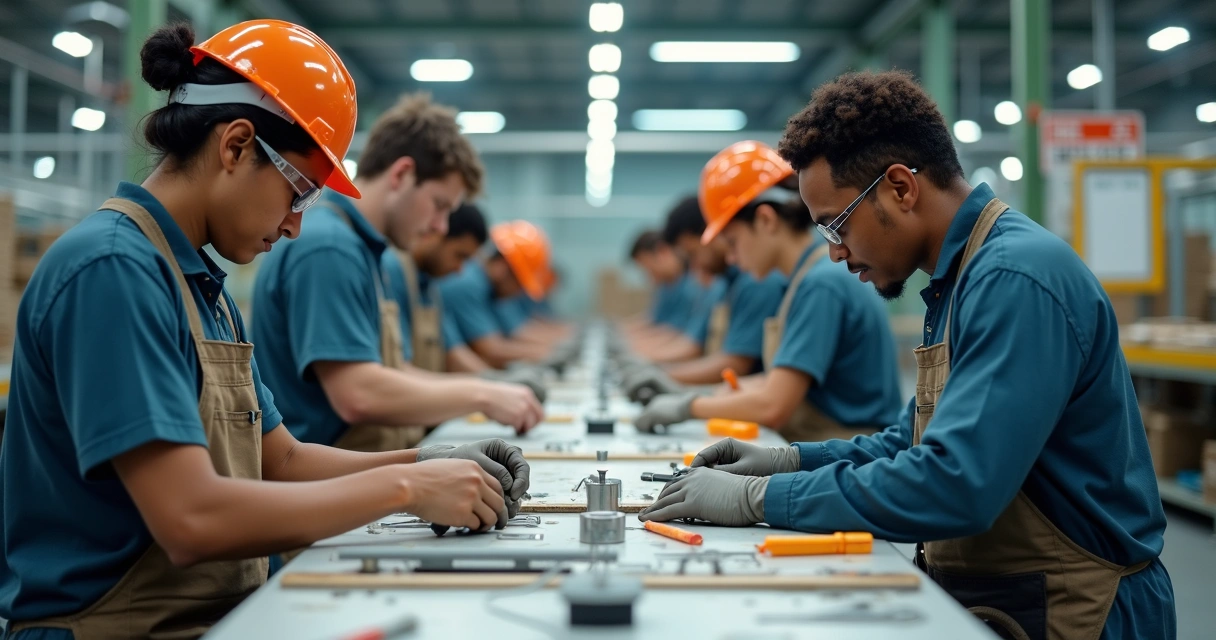
Ethical supply chains are not formed by chance—they require practical decisions, established policies, and careful follow-through. Here’s how we see it take shape day to day:
- Supplier selection: Companies evaluate partners using audits or certifications that check for labor policies, environmental practices, and workplace safety.
- Code of conduct: Many organizations set transparent guidelines for suppliers to uphold, often sharing these publicly as proof of commitment.
- Ongoing monitoring: Regular visits and reporting keep standards from slipping. Companies may work with local monitors who know the context best.
- Support and training: For lasting change, training is offered to workers and managers on topics like safe machinery use and rights awareness.
- Complaint mechanisms: Ethical chains make space for workers to raise concerns, anonymously if needed, and ensure these are addressed.
When we connect the dots, an ethical supply chain becomes a living system—always listening, learning, and responding. It grows stronger not just with rules, but with the voices of people within it.
Steps to build an ethical supply chain
We’ve outlined practical steps for organizations of any size to begin on more ethical ground:
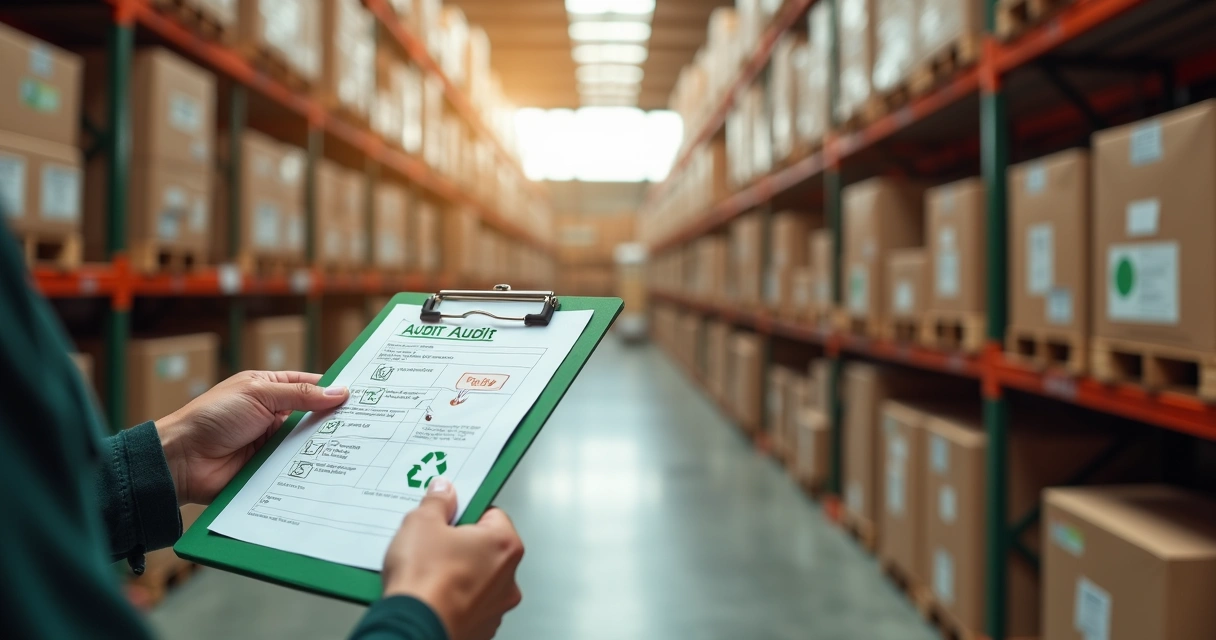
- Map your supply chain: Identify every step, from raw materials to customer delivery. The clearer the map, the easier it is to find risks or gaps.
- Assess risks: Find out where problems like poor labor conditions or environmental harm might appear, especially in hidden parts of the chain.
- Set clear policies: Write and publish a code of conduct that lays out social and environmental expectations for suppliers.
- Engage suppliers: Share your standards openly and listen to suppliers about their challenges. Growth happens with dialogue, not pressure alone.
- Monitor and improve: Schedule regular visits, checks, or questionnaires. Be open about progress and setbacks alike.
- Foster partnerships: Sometimes, deep change means working together—sharing knowledge, supporting upgrades, and celebrating success as a network.
Change begins with seeing and owning every step.
Challenges on the road to ethics
We don't ignore the barriers. Building ethical supply chains takes effort, resources, and sometimes very tough choices. Here are a few of the hurdles we often see:
- Complexity: Many chains stretch across borders, languages, and legal systems. Tracing each link requires extra care and investment.
- Lack of transparency: Some suppliers may not want to share information or are afraid to show gaps. Trust takes time to build.
- Costs: Fair wages and eco-friendly materials may sometimes be more expensive upfront. However, we see that the long-term gains—like loyal customers and lower risks—far outweigh those costs.
- Changing mindsets: Shifting attitudes from “cheapest is best” to “best for people and planet” requires patience and persistence.
Despite these obstacles, change is happening. People want to know that the things they buy do not harm others. Businesses that adapt stand to build real trust and lasting resilience.
Human impact at the center
Ethics in supply chains goes beyond rules and numbers. It’s about the people who plant, build, transport, and sell. Their stories, opportunities, and wellbeing shape the real legacy of a business.
We have seen firsthand how small improvements—like providing safety gear, reducing overtime, or sourcing local materials—can transform entire communities. When supply chains value people and the planet, they build something money can’t buy: trust.
Ethics in supply chains is what turns profit into purpose.
An ethical supply chain is not an end point. It’s a direction—a way of working where success is measured by what we preserve and whom we support, not by speed or price alone.
Conclusion
We believe that building ethical supply chains is possible for any business committed to conscious action. It asks for transparency, inclusion, and a willingness to rethink what value means. Human impact is not an obstacle but the foundation for long-term results and true sustainability. Every ethical choice in a supply chain is a step toward a future where business leaves a human legacy worth celebrating.
Frequently asked questions
What is an ethical supply chain?
An ethical supply chain is a system of sourcing, manufacturing, and delivering goods that is designed to protect people and the environment at every stage. It considers fair treatment, safe conditions, and environmental care as priorities, not afterthoughts.
How to check if a supply chain is ethical?
Check if suppliers are transparent about their practices and see if they follow international or local standards for labor and the environment. Look for published codes of conduct, audit results, or certifications, but also notice if there is clear communication and ongoing improvement within the chain.
Why are ethical supply chains important?
Ethical supply chains help protect human rights, minimize environmental harm, and build trust between companies and communities. They also support long-term business health by reducing risks and increasing customer loyalty.
How can I make my supply chain ethical?
Start by understanding and mapping your current supply chain. Set clear values and policies, share these with your partners, and create a process for regular monitoring and support. Listening and collaboration are key for meaningful progress.
What are the benefits of ethical supply chains?
Ethical supply chains reduce risks, protect reputations, support worker wellbeing, and often open new market opportunities. They also contribute to more resilient and agile business practices by focusing on long-term impacts over short-term savings.