

Social justice means shaping rules, resources, and relationships so people can live with dignity and participate in decisions that affect them. It matters to anyone building a healthy community or organization, because unfair systems can undermine well-being even when headline results look strong. A practical test is to ask not only what a system produces, but who benefits, who bears the cost, and who has a voice.
Key points at a glance
- Fairness is not always identical treatment. People may need different support to access the same rights and opportunities.
- Well-being depends partly on everyday conditions, including safe work, accessible services, and meaningful participation.
- Repeated patterns of exclusion deserve attention beyond individual intent or isolated incidents.
- Progress is stronger when communities help define the problem and assess whether solutions work.
Social justice is fairness built into shared systems
Social justice is the pursuit of fair treatment, rights, opportunities, and responsibilities across society. It asks whether people can meet their basic needs, develop their abilities, and influence decisions without being blocked by avoidable disadvantages. The UNRISD explanation of social justice connects the idea to social cohesion and the conditions that allow people to live with dignity.
Fairness has several practical dimensions: how benefits and burdens are distributed, whether different people are treated with respect, whether affected communities can participate, and whether decision-makers answer for harmful outcomes. These dimensions connect: offering a service does little good if people cannot reach it, feel unsafe using it, or have no way to report a problem.
Equality means applying the same standard. Equity asks whether the standard works fairly for people with different needs and starting conditions. For example, offering one application process to everyone may appear equal, but accessible formats, language support, or flexible deadlines may be needed to make the opportunity genuinely usable.
Fair access to essential conditions supports well-being
People’s health and agency are shaped partly by the conditions in which they are born, grow, live, work, and age. The World Health Organization’s overview of the social determinants of health explains why well-being cannot be understood through medical care alone. Safe housing, education, income, working conditions, and access to services also matter.
This connection is concrete. A clinic that is technically open but difficult to reach, unaffordable, or inaccessible does not offer equal practical access. A workplace with a written safety policy but no trusted way to report hazards may leave workers exposed. Fairness improves well-being when people can use essential supports without losing dignity, safety, or a meaningful voice.

Social injustice appears in repeated barriers, not only individual acts
Social injustice can appear in a single act, but persistent patterns reveal how systems distribute power and opportunity. The useful question is not only whether someone intended harm. It is also whether a rule or routine repeatedly puts certain people at a disadvantage, and whether they can challenge it safely.
- At work: hiring criteria that are unrelated to job performance, unequal access to advancement, or unsafe conditions without an effective reporting route.
- In public services: inaccessible buildings or information, long waits that disproportionately burden people with fewer resources, or decisions made without input from service users.
- In community life: residents affected by a policy being excluded from planning, or people facing discrimination being expected to absorb the cost of keeping the peace.
These examples do not prove that every difference in outcome is unjust. They do signal a need to examine causes, listen to those affected, and check whether a process is transparent and consistently applied. Organizations working to distinguish real inclusion from appearances can use this guide to identify tokenism in social impact initiatives.
Economic justice begins in everyday decisions
Economic justice means people have fair access to work, income, resources, and a voice in economic decisions. It is not limited to how wealth is distributed after the fact. Hiring, pay, scheduling, procurement, promotion, and workplace safety all influence who benefits from economic activity and who carries its risks.
Consider a company that meets its financial targets by relying on unpredictable schedules that make childcare or education difficult. The organization may count the result as productive, while workers absorb hidden costs in time, stress, and lost choices. A fuller assessment includes both the output and its human consequences. This is the central question in balancing profit with social justice.
Fairer processes also benefit from negotiation that makes interests and trade-offs visible. A conscious approach to negotiation can help people seek workable outcomes without treating less powerful participants as obstacles or afterthoughts.
Practical ways to advance fairness and accountability
Progress requires more than statements of principle. Individuals, teams, and institutions can make fairness part of ordinary decisions by building clear routes for participation and follow-through.
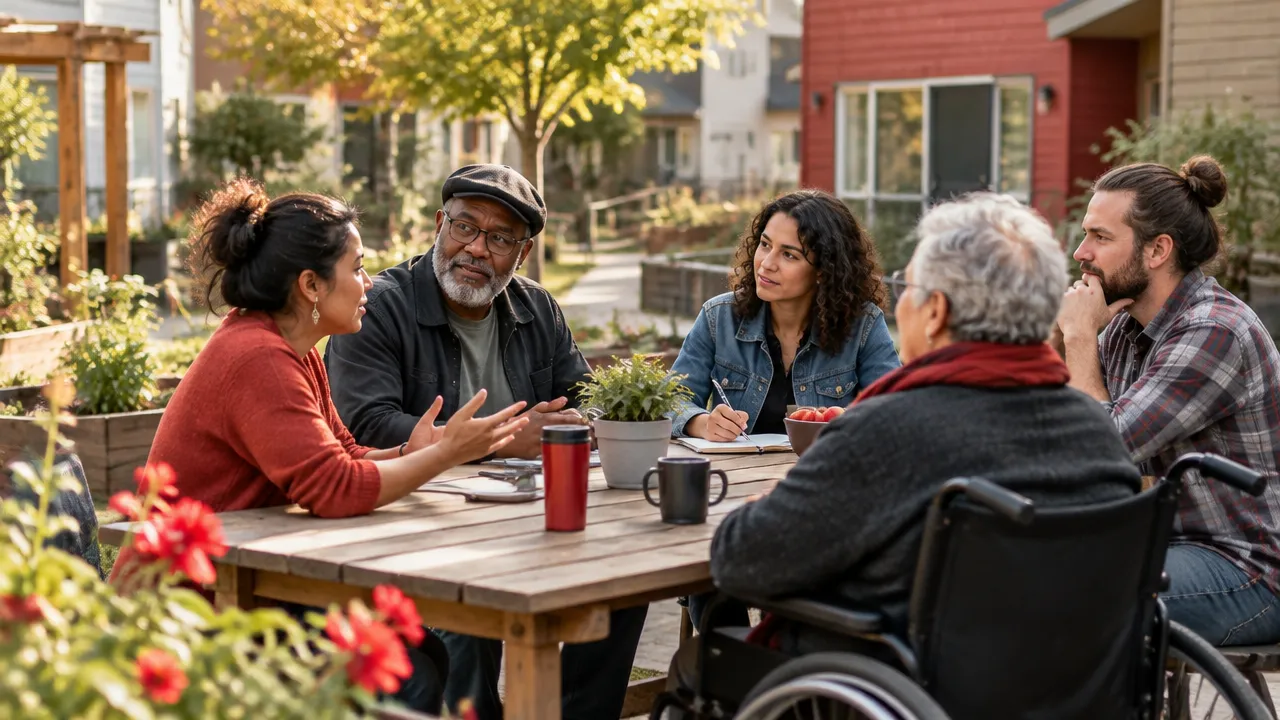
- Ask who is missing. Include people directly affected when defining a problem and designing a response.
- Review barriers. Check whether eligibility rules, schedules, communication, or physical spaces exclude people unnecessarily.
- Make decisions explainable. State the criteria, who is responsible, and how someone can raise a concern.
- Measure lived outcomes. Pair output measures with evidence about access, safety, dignity, and whether people can influence decisions.
- Close the feedback loop. Tell participants what changed, what did not, and why, then review the effects.
In workplaces, everyday choices matter too. Addressing dismissive behavior and microaggressions can help create conditions where people are able to contribute without having to continually defend their dignity.
Measure progress by what changes for people
A credible fairness effort should make its reasoning and results visible. Before celebrating a policy or program, ask: Can the people it is meant to serve access it? Did they help shape it? Are harms easier to report and resolve? Did the change improve conditions without shifting an unfair burden onto someone else?
These questions broaden the meaning of success. Financial and operational results still matter, but they do not reveal the whole human impact of a decision. Social justice is strongest when institutions preserve rights, reduce avoidable barriers, and respond to people with accountability. That is how fairness becomes a lived condition rather than a slogan.
Frequently asked questions
What is social justice?
Social justice is the fair treatment of people and the fair distribution of rights, opportunities, resources, and responsibilities. It also means people can take part in decisions that affect them and seek accountability when systems cause harm. Fairness may require different support for people facing different barriers.
What is economic justice?
Economic justice concerns whether people can access fair work, income, essential services, and a meaningful voice in economic decisions. It includes questions such as whether wages support basic needs, hiring practices are fair, and workers can raise concerns without retaliation. It is one part of a broader commitment to human dignity.
What is social injustice, and what are examples?
Social injustice occurs when rules, practices, or power imbalances repeatedly deny some people rights or opportunities. Examples include inaccessible public services, discriminatory hiring, unsafe working conditions, and policies that exclude residents from decisions. A single unfair incident matters, but repeated patterns can signal a deeper system-level problem.
What are three examples of social injustice?
Three examples are denying a qualified person a job because of their identity, failing to make public services accessible to people with disabilities, and exposing workers to unsafe conditions while preventing them from reporting hazards. Each example limits dignity or opportunity, and each can be addressed through fair rules and accountability.
How does social justice improve well-being?
Fairer systems can improve well-being by reducing preventable barriers to healthcare, education, safe work, and participation in community decisions. People are more able to make choices and plan for the future when institutions treat them with dignity and respond to their needs. The specific benefits depend on the conditions being changed.