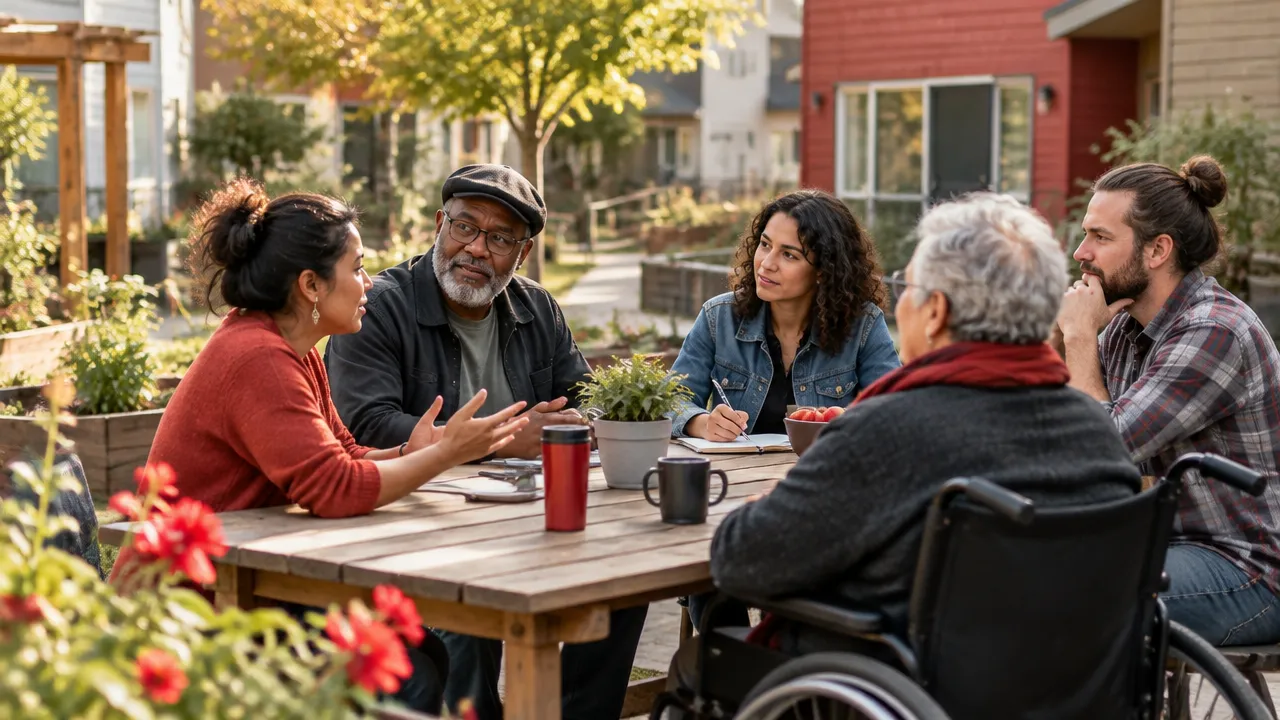
Community psychology studies how people and the environments around them shape one another, then uses research and shared action to improve well-being. It helps residents, practitioners, and organizations look beyond individual struggles to the relationships, services, and policies that influence them. The central question is not only how to help someone cope, but how to make supportive conditions more accessible and durable.
Key insights for understanding community well-being
- Well-being depends partly on whether people can access supportive relationships, services, and safe shared spaces.
- Effective community work combines local knowledge with research, prevention, and practical action.
- Participation matters most when residents have real influence over decisions, not just an invitation to comment.
- Progress should be judged by both outcomes and who benefits, who is left out, and what conditions change.
Community psychology connects individual experience with shared conditions
Community psychology examines how personal well-being is shaped by families, schools, workplaces, neighborhoods, institutions, and wider policies. It does not ignore individual needs. Instead, it asks how different levels of a person’s environment interact, and whether those surroundings support or obstruct a healthy life.
The American Psychological Association’s overview describes the field as concerned with the links between individuals and communities, with research connected to efforts to improve community life. This makes it distinct from approaches that focus mainly on a person’s thoughts or behavior in isolation. The field’s practice competencies also emphasize ecological thinking, inclusion, empowerment, prevention, and ethical reflection.
For example, if students are frequently absent, an individual explanation may focus on motivation or stress. A community-level inquiry might also examine transportation, school climate, caregiving demands, disability access, or whether families feel heard by the school. These perspectives can work together, but they point toward different kinds of support.
Supportive relationships and accessible places strengthen well-being
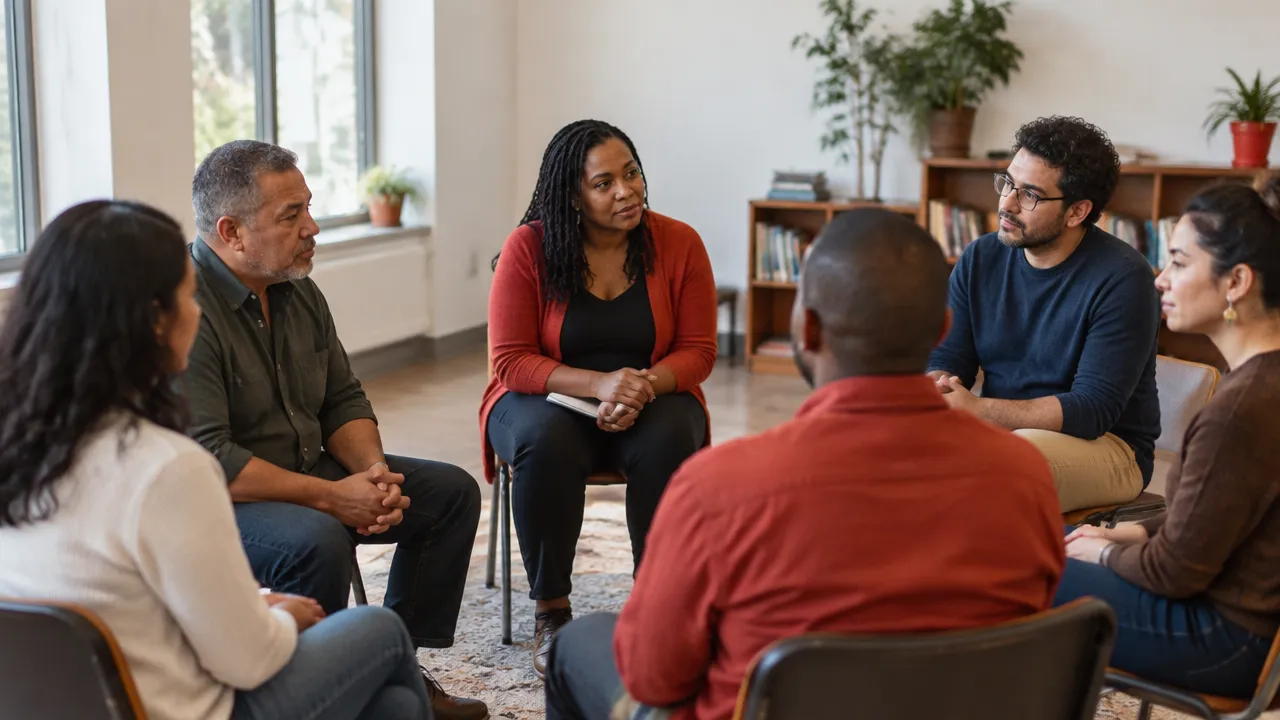
Communities support well-being when people can find trusted relationships, practical help, and places where they feel safe and included. A community is not automatically supportive simply because people live nearby. Connection depends on factors such as access, trust, time, affordability, cultural belonging, and whether people can participate without avoidable barriers.
The CDC identifies social connection as important to health and well-being, and notes that supportive public settings such as neighborhoods, schools, workplaces, and recreation centers can help people connect. Its latest data on this measure show that 11.5% of U.S. adults in 2024 had difficulty participating in social activities because of a physical, mental, or emotional condition. That finding points to a practical design question: are community activities genuinely accessible to the people who could benefit? CDC guidance on social connection and its 2024 participation data offer useful context.
That question shifts attention from telling people to “get involved” toward examining barriers, such as inaccessible venues, inconvenient schedules, language gaps, or transportation costs. Improving the conditions for connection can be as important as creating a new program.
Community-led prevention turns local knowledge into action
Prevention is stronger when communities help define the problem and shape the response. Residents often know which services are hard to reach, which groups are overlooked, and what resources already work. Practitioners can bring research methods and coordination, while community members bring context that outside observers may miss.
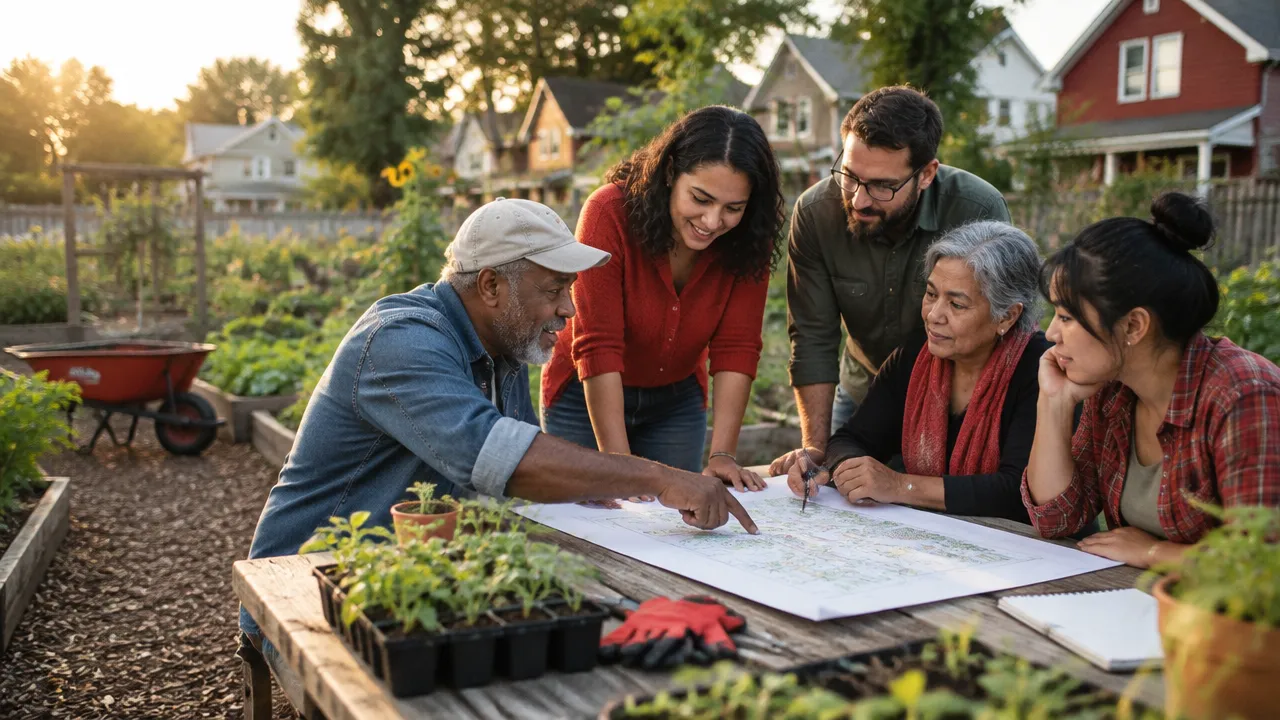
A useful process begins by listening across groups, including people who are often excluded from formal meetings. Next, partners agree on a specific concern, identify existing strengths, and choose an action they can evaluate. For example, a neighborhood team might map where residents can access food, transport, or social support, then test a shared referral process with local organizations.
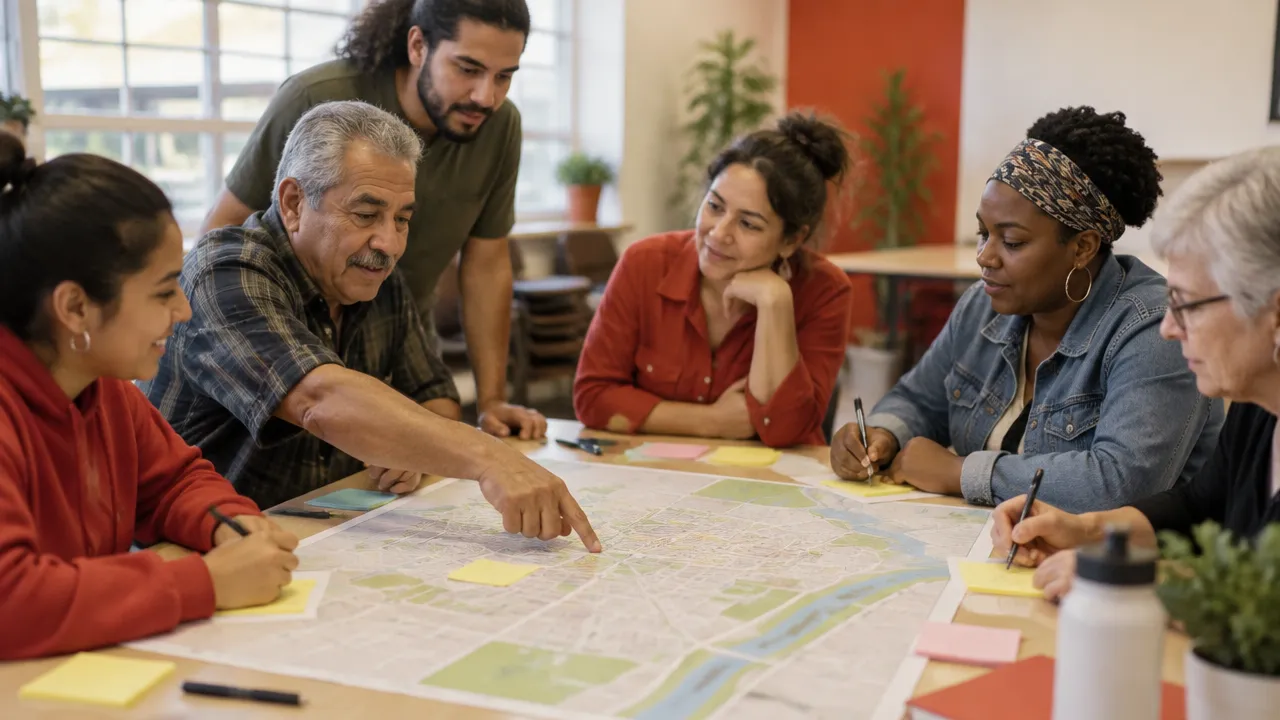
Partnership must involve more than collecting opinions. If residents are asked for input but cannot influence priorities, resources, or decisions, participation risks becoming tokenistic rather than meaningful. Clear roles, accessible meetings, shared decision-making, and feedback about what changed help build trust.
Measure whether conditions improve, not just whether events happen
Useful evaluation tracks changes that matter to people, alongside the activities delivered. Counting workshops or attendees can show reach, but it cannot by itself establish whether a program improved access, trust, safety, or influence.
A practical evaluation can combine a few measures:
- Access: Can residents reach and use the service or space?
- Experience: Do participants feel respected, safe, and listened to?
- Influence: Do community members shape decisions and priorities?
- Outcomes: Has the specific issue the project targeted improved?
- Equity: Are benefits reaching groups who faced the greatest barriers?
Use a baseline, gather feedback in formats people can access, and review results with the community before deciding what to change. A systems approach to lasting change also asks whether everyday rules, resources, and responsibilities support the improvement after a pilot ends. Evaluation should guide decisions, not reduce people’s experiences to a single score.
Community psychology careers connect research, practice, and policy
Community psychologists work in settings such as community health centers, universities, research organizations, and social service agencies. Depending on their training and role, they may study local needs, evaluate programs, support community partnerships, or help develop interventions and policies. The APA career guide describes work that combines research and action to address both individual needs and broader conditions.
For students exploring the field, useful preparation can include research methods, program evaluation, group facilitation, cultural responsiveness, and experience with community organizations. Job titles and qualifications differ, so compare specific roles and degree requirements rather than assuming one credential leads to a single career path.
Frequently asked questions
What does community psychology do?
Community psychologists study how people and their surroundings influence one another, then use research and collaboration to improve community life. Their work may include preventing problems, strengthening local organizations, evaluating programs, and helping residents shape decisions that affect health, safety, and opportunity.
What is the difference between community psychology and social psychology?
Social psychology often examines how people’s thoughts, feelings, and behavior are influenced by others and social situations. Community psychology also studies those relationships, but it more directly considers institutions, resources, policies, and community-led action to prevent problems and improve well-being.
What are examples of community psychology in practice?
Examples include partnering with a school to prevent bullying, helping residents improve access to safe public spaces, evaluating a neighborhood support program, and working with local organizations to strengthen services. The defining feature is not the setting alone, but whether the work addresses shared conditions with meaningful community participation.
What can you do with a community psychology degree?
A community psychology degree can support work in research, program evaluation, community health, nonprofit services, university settings, and public agencies. Possible responsibilities include coordinating programs, studying local needs, building partnerships, or informing policy. The roles available depend on the degree, experience, employer, and any professional requirements for a specific position.
Does community psychology replace individual therapy?
No. Community psychology complements rather than replaces individual therapy and other clinical care. It focuses on the wider settings and conditions that shape well-being, such as access to support, safe places, and responsive services. People may benefit from community-level improvements and individual treatment at the same time.